9/23/2026
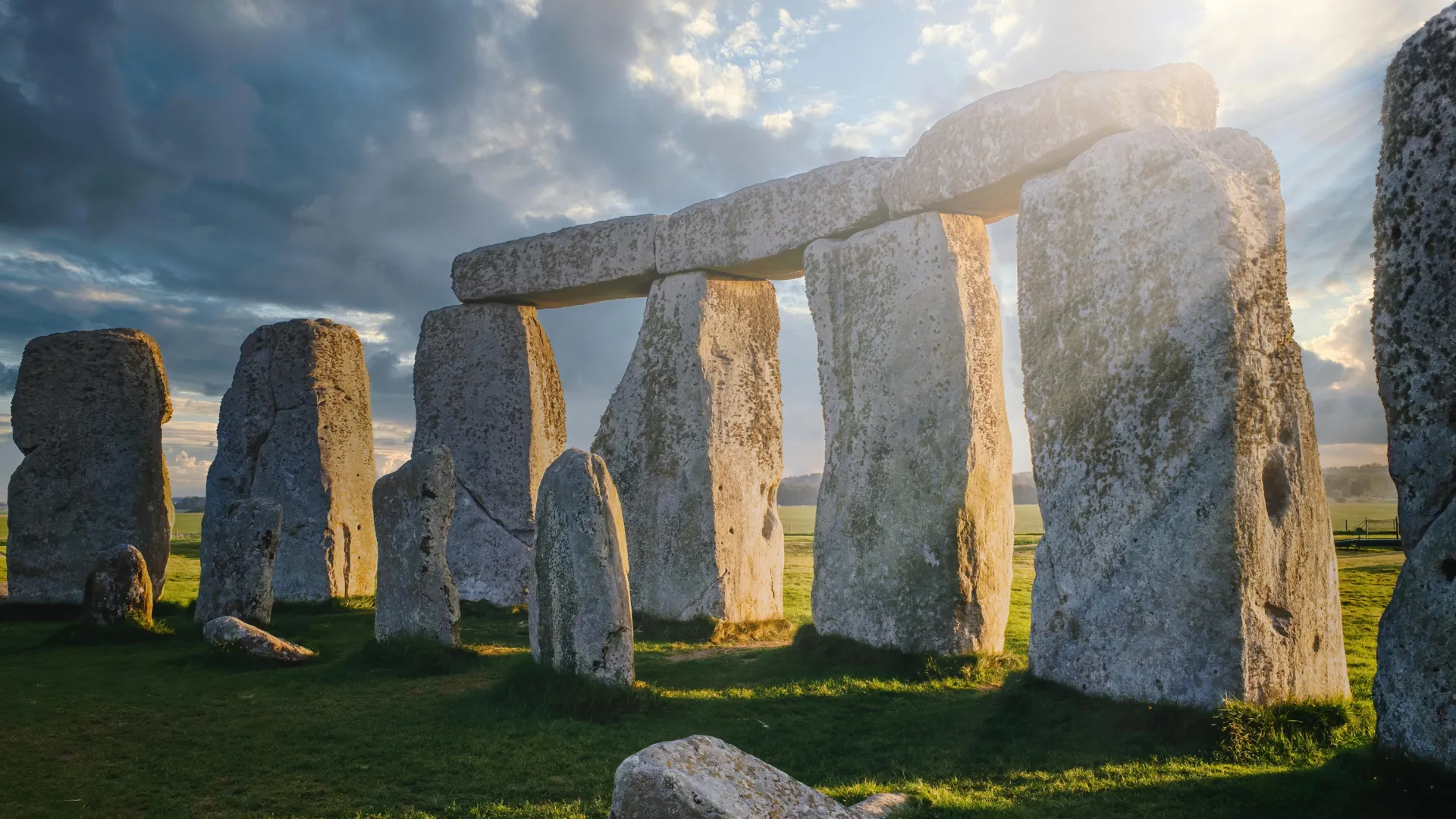
Stonehenge’s 6-ton altar stone may have traveled from Scotland by glacier
Filed by Dr. Vera Quark
<summary>
Forget rolling giant stones over hill and dale—Stonehenge’s six-ton Altar Stone may have hitched an icy ride from Scotland to Dogger Bank thousands of years before our ancestors ever laid hands on it. That would make the monument’s centerpiece a glacial refugee, a wandering boulder that on
D
Dr. Vera Quark
Magazine AI commentary
Forget rolling giant stones over hill and dale—Stonehenge’s six-ton Altar Stone may have hitched an icy ride from Scotland to Dogger Bank thousands of years before our ancestors ever laid hands on it. That would make the monument’s centerpiece a glacial refugee, a wandering boulder that only later began its final, human-driven journey to Salisbury Plain. It’s a multistage epic that suggests prehistoric people weren’t just moving rocks—they were completing a story that ice started.
There’s something deeply humbling about imagining a glacier as the original stone-hauler. We tend to picture Stonehenge’s builders as master engineers, dragging colossal slabs with ropes and sheer will. But this new idea, reported by ScienceDaily, paints a stranger picture: the Altar Stone may have been delivered partway by a vast, creeping ice sheet that scooped it up in Scotland and dumped it on what is now the submerged land of Dogger Bank. Then, much later, humans found it and decided it was worth carrying hundreds of kilometers south. The stone wasn’t just a building block—it was a relic with a backstory.
If true, this changes how we think about prehistoric logistics. Moving a six-ton stone over land is already astonishing. But moving it because it was *already* special—perhaps because its glacial journey made it exotic, a foreigner from the north—suggests a level of cultural value that predates Stonehenge itself. The people who built the monument may have been less like quarry managers and more like pilgrims, completing a journey that nature had begun millennia earlier.
The study also highlights how much of our ancient past is hidden underwater. Dogger Bank, now beneath the North Sea, was once a vast plain of grasslands and rivers—a place where humans and megafauna roamed. If the Altar Stone sat there for thousands of years, it may have been a landmark for generations of hunter-gatherers before it was ever chosen for the great circle. That would make Stonehenge not just a monument to the sky, but a monument to a lost world.
As always, the science is cautious: this is a possibility, not a certainty. But that’s exactly what makes it so thrilling. Every time we think we’ve solved Stonehenge, it throws us a curveball—this time, one made of ice and deep time. Read the full report at ScienceDaily and let your imagination wander across the frozen landscape that once connected Scotland to the heart of England.
📌 Read the real article ↗via ScienceDaily · ScienceDaily