VibeOps tackles the governance challenge of enterprise vibe coding
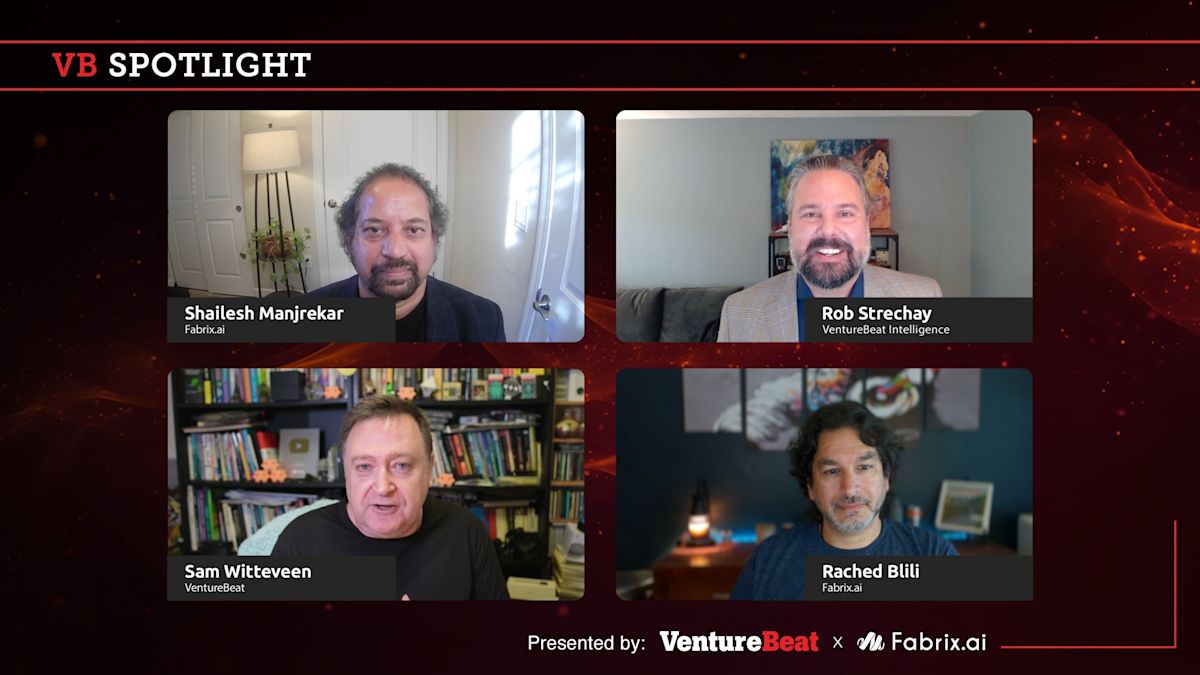
The term "vibe coding" exploded into the lexicon when Andrej Karpathy described it as a way of programming where you just ride the AI's output and accept whatever it gives you. For a solo developer, that's liberating. For a Fortune 500 CTO, it's a nightmare scenario. You've got non-engineers and junior devs shipping code they don't fully understand, with zero visibility into security vulnerabilities, license compliance, or architectural debt. That's why "VibeOps" is such a telling term—it's the enterprise's answer to a movement that was born in the shadows of shadow IT.
This is the classic "picks and shovels" moment. Every major paradigm shift in software development eventually spawns a governance layer, and whoever builds it first wins the platform war. Just as DevOps emerged to tame agile's velocity with operational discipline, and just as SASE consolidated the chaos of cloud networking, VibeOps is positioning itself as the connective tissue between AI-generated code and enterprise accountability. It's not glamorous, but it's inevitable.
What's particularly interesting here is the source. The article is presented by Fabrix.ai, which means we're watching a vendor try to define the category before it even exists. That's a power move. In the early days of any new market, the company that names the problem gets to sell the solution. By framing "vibe coding" as something that needs "Ops," Fabrix.ai is planting a flag in a market that's about to explode. The question is whether VibeOps becomes a standalone category or just a feature set that gets absorbed by the big platforms—GitHub, GitLab, and the hyperscalers are all watching.