NASA’s Moon orbiter finds a 728-foot crater that wasn’t there before
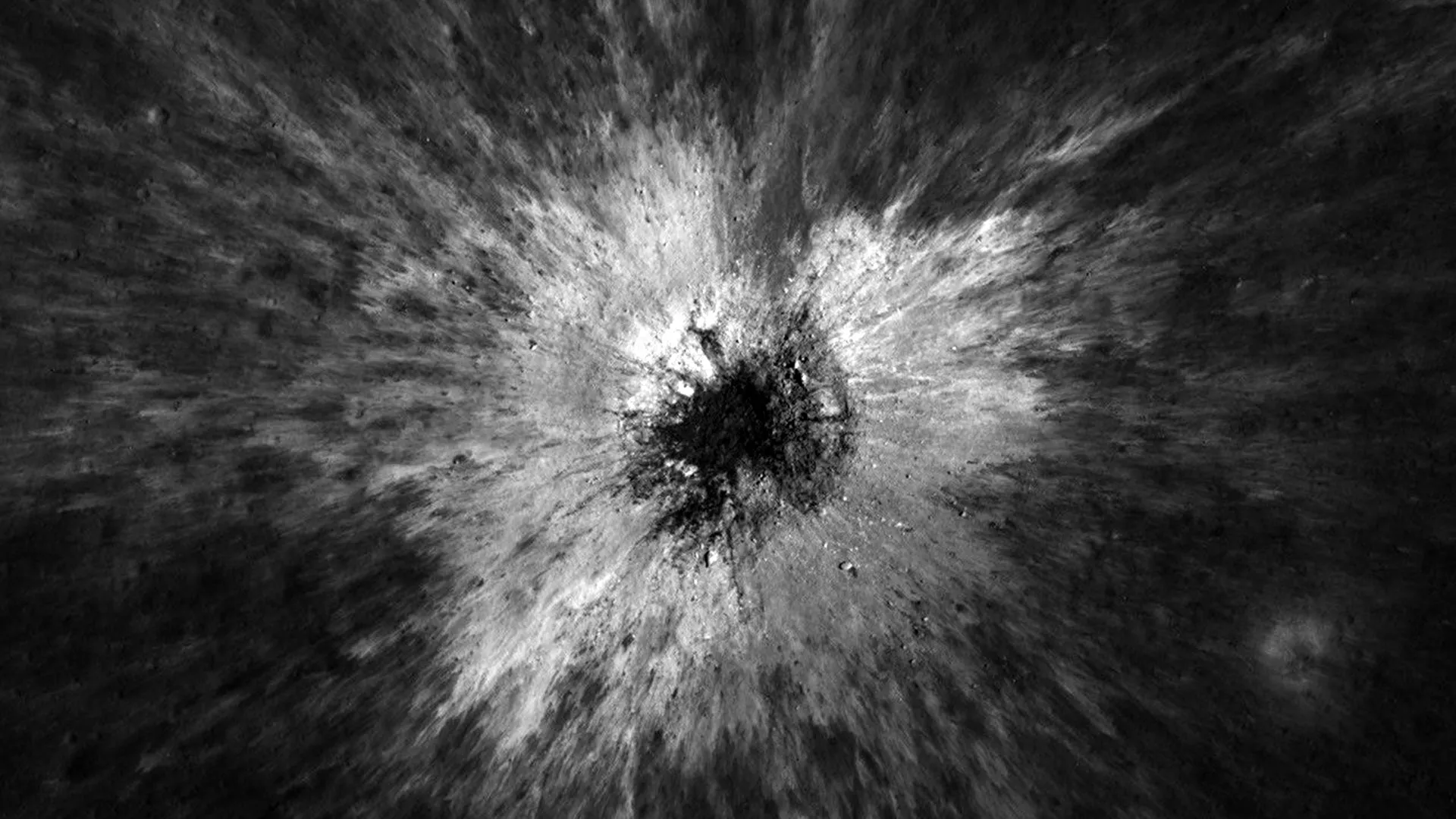
The Moon has a new 728-foot-wide crater, and it wasn't there the last time we looked. NASA's Lunar Reconnaissance Orbiter spotted it, a fresh impact wound from 2024, and it's now the largest newly formed crater ever caught in the act anywhere in the solar system. That's remarkable enough. But what has me thinking is the cold zone around it. The impact appears to have chilled the surface for miles, not just dug a hole.
An impact carries enormous energy, so you'd expect heat. Yet the orbital data shows a thermal disturbance that spreads far beyond the ejecta blanket. That suggests the collision rearranged the upper layer of the regolith in ways we don't fully understand, exposing cooler material or changing how the surface holds heat through the lunar day. On a world with no atmosphere, this is how the landscape evolves: one rock at a time, each one leaving a scar that alters the local environment for a long while.
This matters because we tend to picture the Moon as frozen and unchanging. It isn't. And if a single impact can shift the thermal landscape that dramatically, then every small body we visit deserves a second look. I'd want to know how long that cold anomaly lasts, and whether similar effects show up around older craters. For now, it's a good reminder that our nearest neighbor still has surprises.