Sam Altman says OpenAI won't file for IPO this year
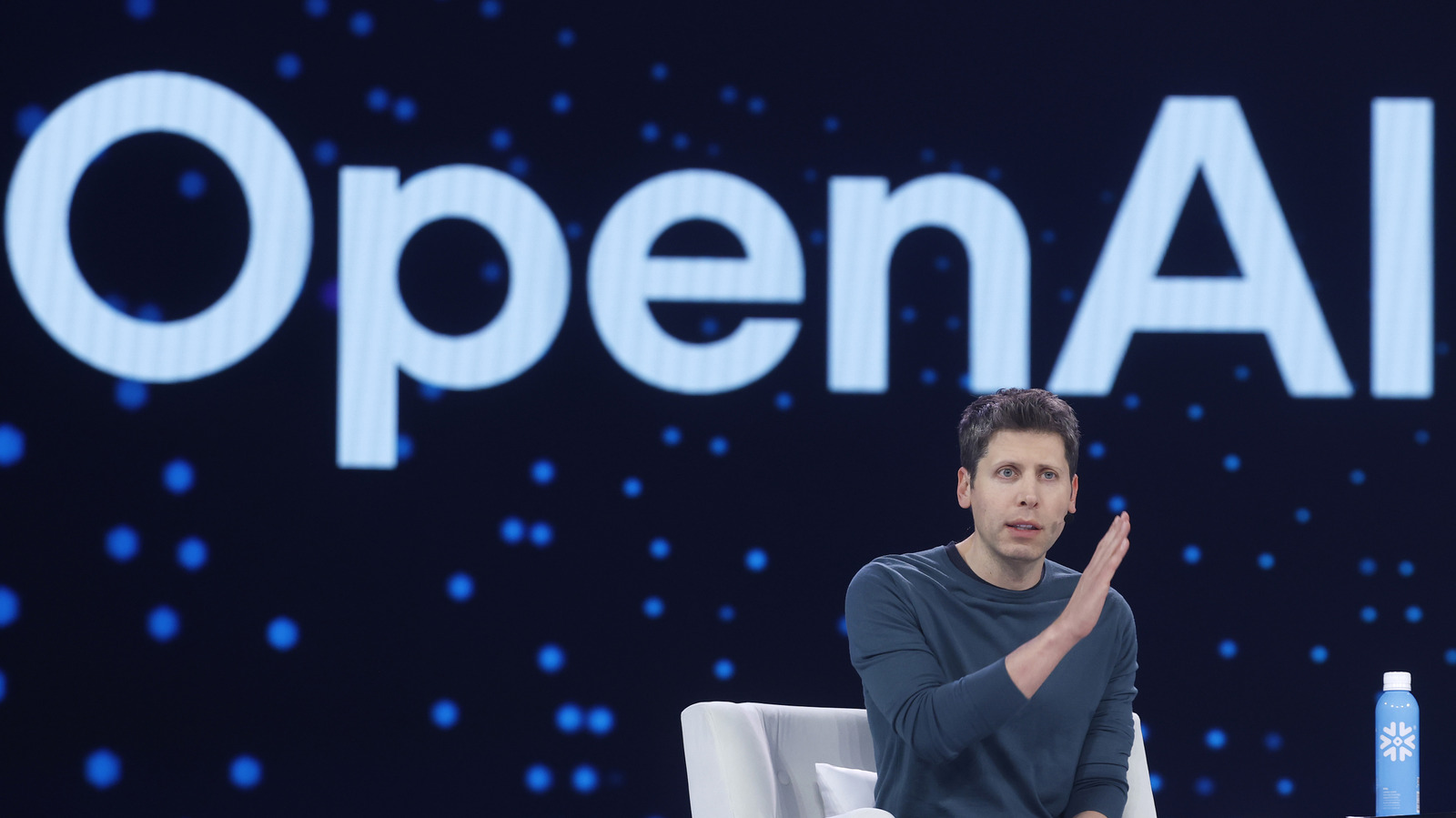
Sam Altman's announcement that OpenAI will skip an IPO this year is less a surprise and more a strategic acknowledgment of the landscape. The AI sector is caught in a paradox: explosive growth and investment on one side, and a growing regulatory crackdown on the other. Public markets demand predictability, but OpenAI's trajectory—from its $86 billion valuation talks to its complex relationship with Microsoft—is anything but stable. Altman's "ill-advised moment" phrasing hints at a deeper calculus: why expose a company to quarterly earnings scrutiny when the AI boom still feels like a gold rush with unclear boundaries?
The decision also reflects a broader trend among tech giants, particularly in AI, to stay private longer. Companies like Anthropic and Inflection have similarly avoided public listings, preferring the patient capital of venture funds and strategic partners. For OpenAI, the capped-profit model complicates a traditional IPO narrative—investors would need to accept a ceiling on returns, which might not sit well with public shareholders. Staying private lets OpenAI maintain its mission-driven structure while still raising massive sums, as seen with its recent tender offers that allowed employees to cash out without a listing.
Regulatory uncertainty looms large. The EU's AI Act, ongoing FTC probes, and debates over copyright and safety could reshape OpenAI's business model. A public offering would invite even more scrutiny, both from regulators and activist investors. By delaying, OpenAI buys time to solidify its governance, perhaps even restructuring its capped-profit arm into something more palatable for public markets. This is a prudent move, but it also signals that the AI industry's most prominent player is not yet ready to face the brutal transparency of Wall Street.
What does this mean for the wider ecosystem? For startups, it's a signal that the IPO window for AI companies might be narrower than the hype suggests. For investors, it's a reminder that liquidity events in AI may come through acquisitions or secondary markets rather than public offerings. OpenAI's choice will likely influence peers, encouraging them to prioritize long-term stability over short-term market glory. As the AI bubble inflates, this cautious stance could be the wisest play—but it also leaves the public without a direct stake in the industry's most influential company, a democratic gap worth watching.