Flood-Ravaged Nepal on Alert as Scientists Warn of Additional Risk
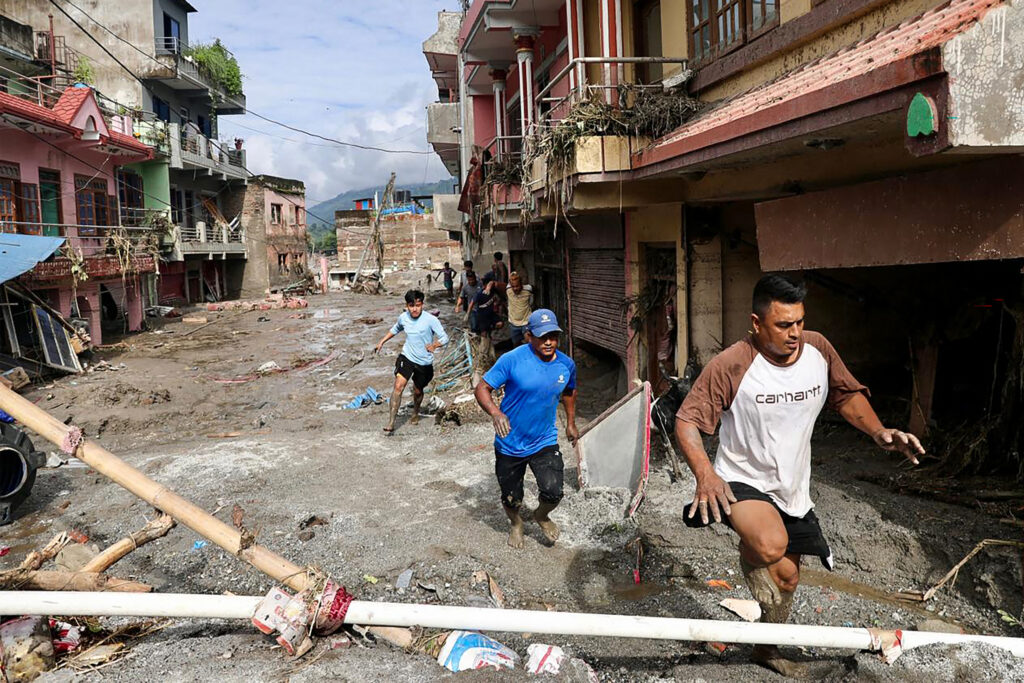
The scene unfolding in Nepal is a harrowing textbook example of what climate scientists call a "cascading hazard." It's not just one extreme event anymore; it's a chain reaction where one disaster primes the landscape for the next. The initial flood, likely triggered by intense rainfall or a glacial lake outburst, destabilized mountainsides. Now, the debris from those landslides is choking the rivers, forming unstable dams. When those give way—and they will—the resulting surge will be sudden, violent, and nearly impossible to predict with current warning systems.
This is the new reality for mountain communities across the Himalayas. As global temperatures rise, glaciers retreat and permafrost thaws, leaving slopes more fragile and prone to collapse. Add to that the intensification of extreme precipitation events—a direct consequence of a warming atmosphere holding more moisture—and you have a recipe for these compound disasters.