Google turns to Blue Origin for a rocket, but its long-term problem remains
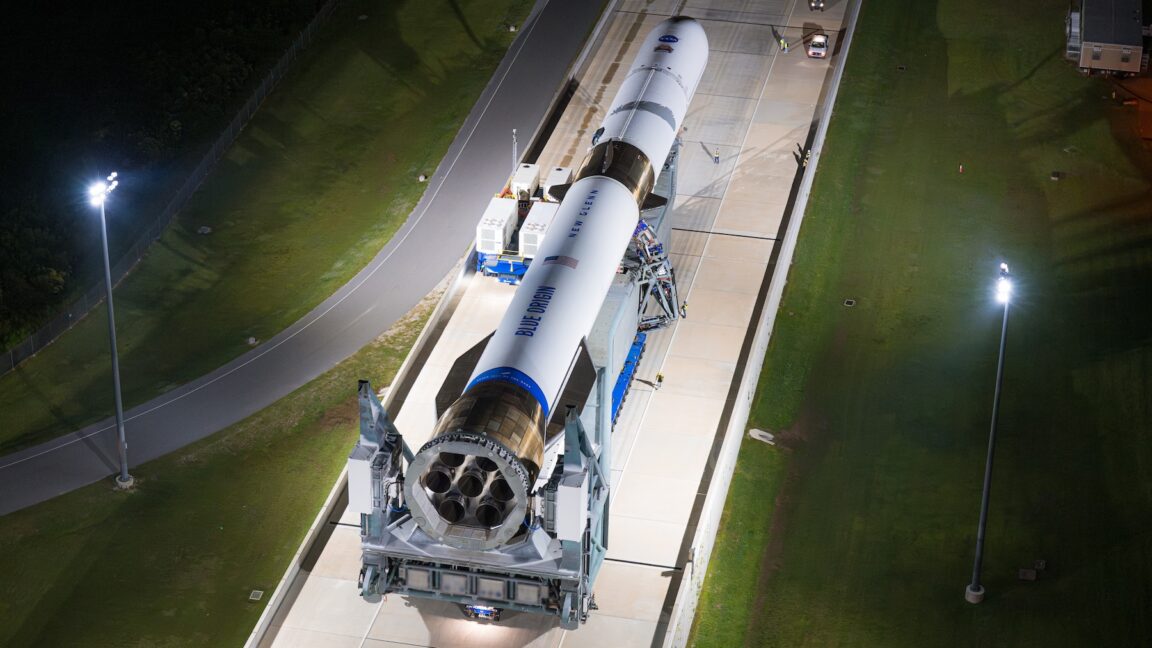
Blue Origin finally has a customer that sounds like it belongs in the 22nd century. Google's Project Suncatcher, the search giant's space-based solar power bet, reportedly needs a heavy lift vehicle, and New Glenn is the ride. That is a nice validation for Jeff Bezos's rocket company, which has spent years trying to convince the world it can compete with SpaceX on price and cadence. But the harder question is whether Suncatcher itself makes sense, and a launch contract does not answer it.
Space solar power has been ten years away since the 1970s. The physics is straightforward: put panels in orbit where the sun never sets, beam microwaves down to rectennas on Earth. The economics have never worked. You need dozens of launches, orbital assembly, and a ground station network, all before you produce a single watt that competes with a desert solar farm. A Blue Origin deal lowers one cost line, maybe, but it does not touch transmission efficiency, regulatory fights over microwave beams, or the simple fact that terrestrial renewables keep getting cheaper.
I would want to know what Google actually committed to, and whether this is a real procurement or a paper study dressed up as a partnership. Either way, the hardest part of Suncatcher is still ahead of it.