Kurdish hunger striker says ICE force-feeding ‘mentally broke me’
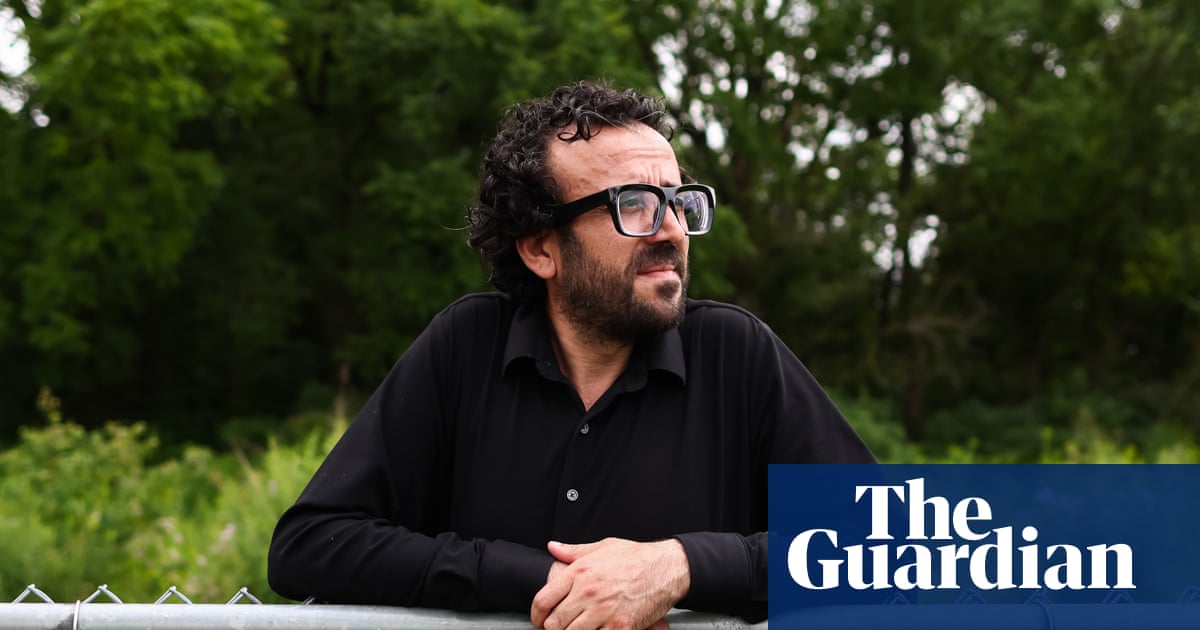
Let’s start with the uncomfortable truth: force-feeding isn’t a headline, it’s a collision. Gabar Choli’s eight-month ordeal in Texas detention pulls two legitimate principles into the same cell — the state’s duty to preserve life, and an individual’s right to control his own body. ICE says the policy prevents deaths in custody. Choli says it broke him. Both statements can be true, and that’s exactly why this story matters.
This isn’t just one man’s testimony; it’s a stress test for U.S. detention policy. The same coercive practice that has drawn court challenges in prisons is now squarely in the immigration spotlight. If we’re serious about "humane enforcement," we have to ask whether a life sustained by force is a life saved — or a life sentenced.
The signal here is broader than ICE. It’s about the creeping authority to define what "care" means when the body becomes a protest. Choli, now in Canada, is speaking for everyone who has felt the system’s grip tighten in the name of protection.
Here’s my closer: When we force the hungry to eat, we decide whether survival is the same as dignity. That’s a question no policy memo can answer — only the person at the end of the tube.