Wildfire Lawsuits Against Utilities Fuel a Debate Over Who Should Pay
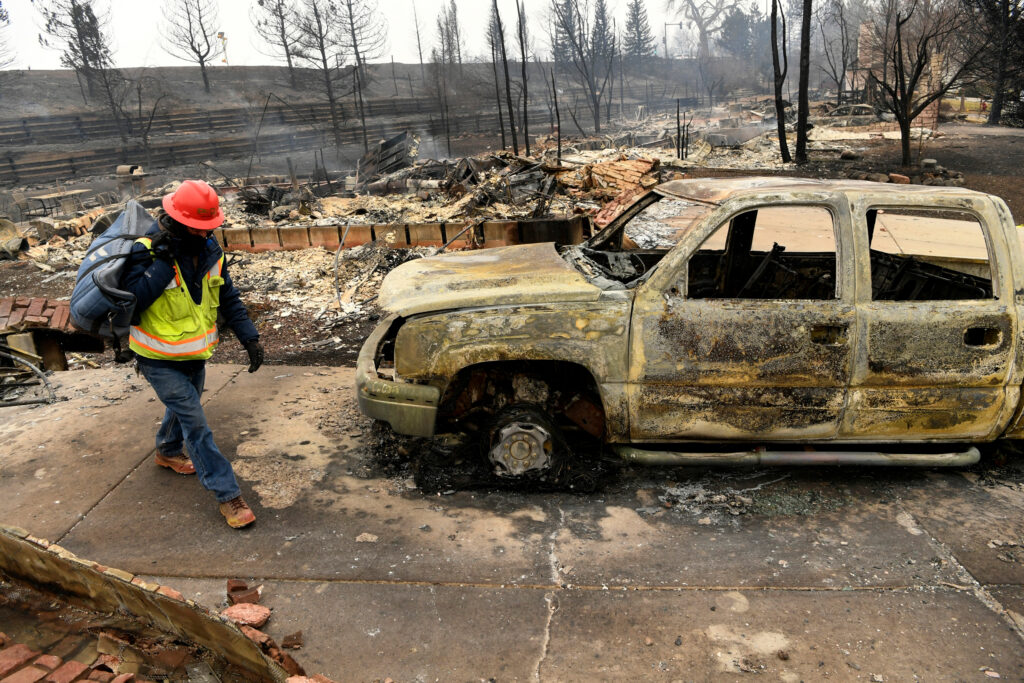
The Boulder case is a reminder that these lawsuits aren't abstract legal theater. A hundred-mile-an-hour wind gust in December, after a season of parched grass and half the usual snow, is exactly the kind of scenario that used to be called a freak event. Now it's a pattern, and the courts are being asked to decide whether the utility that runs power lines through that tinderbox is the one who pays when embers fly.
I think the deeper tension here is that we want cheap, reliable electricity and we want utilities to harden their infrastructure against a climate they didn't create. Those goals pull in opposite directions, and the bill has to land somewhere. If the utilities lose big, that cost likely shows up in rates. If they win, the victims are left holding the loss. There's no clean answer, and I'd want to know more about how the specific evidence in this case links the dry conditions to the utility's maintenance decisions.
What I keep coming back to is that litigation is a blunt instrument for climate policy. It can force accountability, sure, but it's also slow and uneven. One county's verdict doesn't fix the grid. Still, if these suits push utilities to bury lines and clear vegetation faster than regulators would require, that might be the most practical outcome we get.