'More missions, more often': NASA is overhauling how it selects science missions
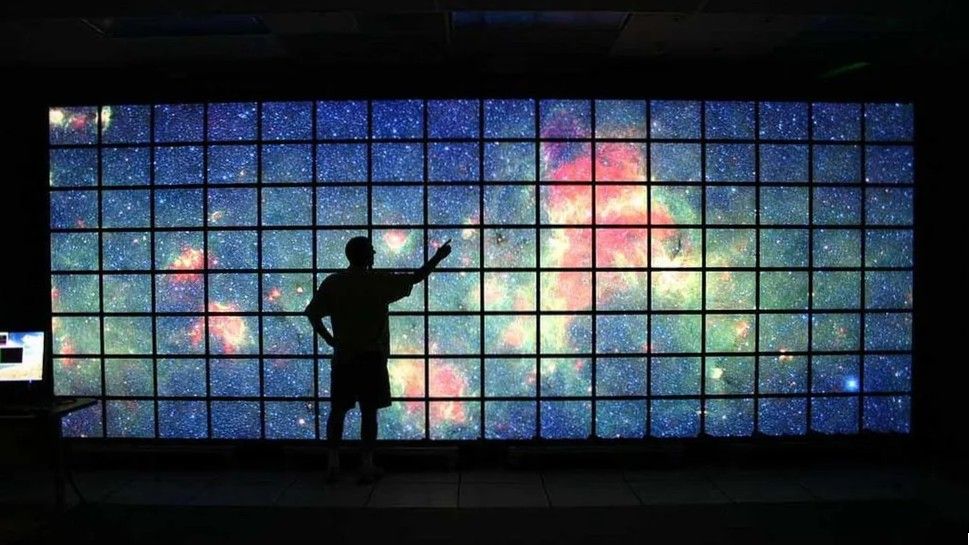
I think the most interesting part is what this overhaul says about our appetite for risk. For decades, NASA missions have been engineered to near-perfection, which is why a single flagship can eat a decade and billions of dollars. Moving to "more missions, more often" means accepting that some will fail, and that's a trade I'm willing to make. The universe is too big to wait for one perfect shot.
It also changes the culture of discovery. Instead of one grand observatory that answers a giant question, you get a fleet of smaller probes, each nibbling at a mystery. That feels more like how science actually works, messy, iterative and full of surprises. I'd want to know how the new selection criteria weigh bold ideas against proven tech, because that balance will decide whether we get more New Horizons or more of the same.
I land on hopeful. Faster doesn't have to mean sloppier, and the cosmos has a way of rewarding the curious who arrive early.