Glioblastoma breakthrough reveals how brain cancer cells become more aggressive
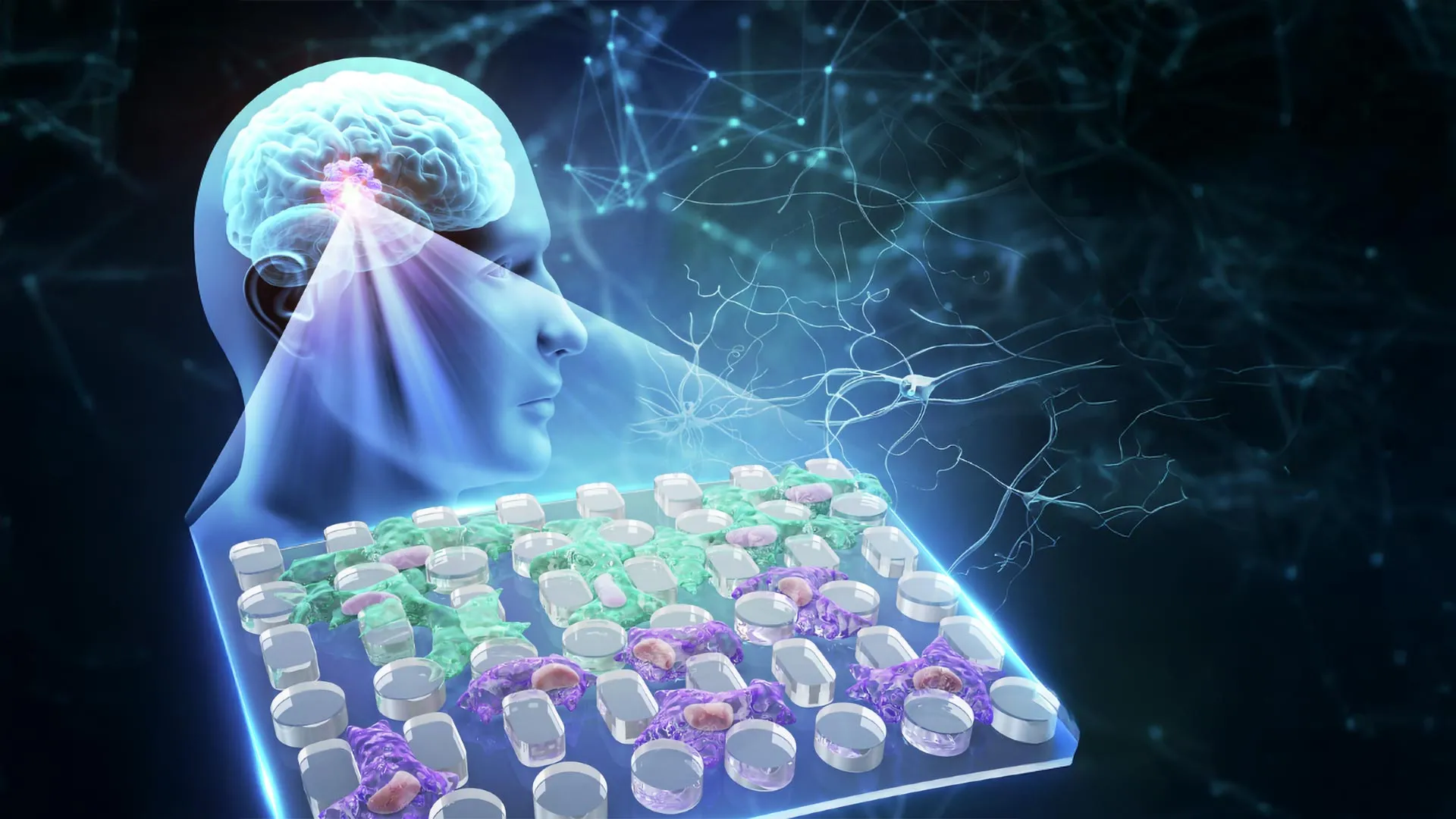
Glioblastoma is the kind of cancer that makes oncologists lower their voices. Median survival is around 15 months, it almost always comes back, and treatments have barely moved the needle in decades. So any new detail about how it spreads matters, and this one has a genuinely unsettling twist. The sticky fluid these tumors sit in doesn't just shield them; it physically remodels the cells, squeezing them into leaner, more flexible versions that can slip through brain tissue. And the cells keep those aggressive traits even after they've escaped the fluid.
That persistence is what I keep coming back to. We tend to think tumor behavior is locked in at the genetic level, but this points to the environment itself doing mechanical work on the cells, programming them for invasion. If those changes stick, then removing or targeting the fluid alone won't stop the damage. You'd need to reverse the cellular memory, or catch the cells before they get remodeled in the first place.
I'd want to know how long those changes last and whether they show up in actual patient tissue rather than just lab dishes. This is early, careful science, and the distance between a mechanism and a therapy is still wide. But for a cancer this lethal, every new clue about how it moves deserves serious attention.