Keto diet cut liver fat by 67% in a clinical trial
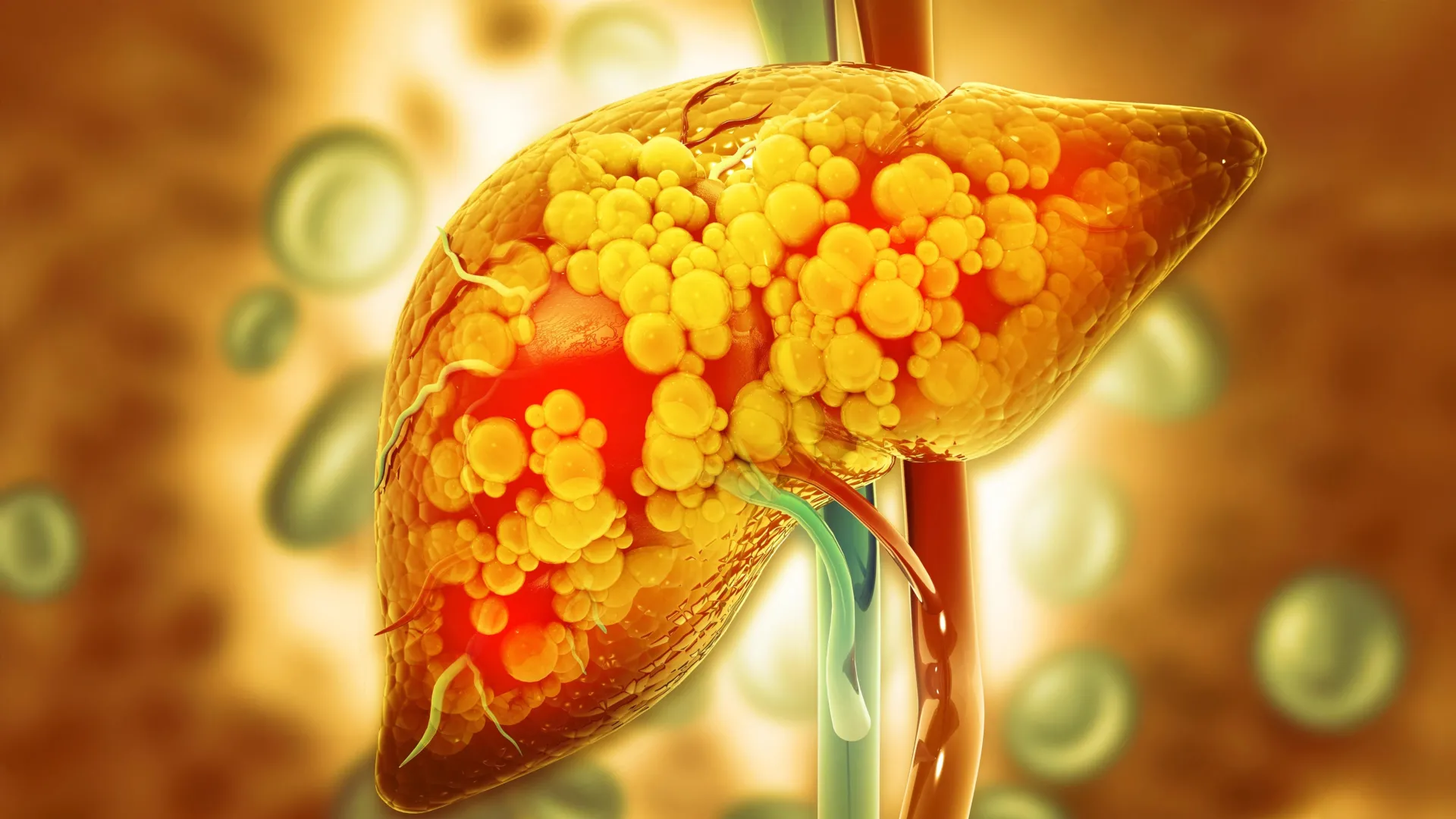
This study marks a pivotal moment in the ongoing conversation about metabolic health and dietary interventions. The finding that a ketogenic diet can reduce liver fat by 67%—a 22% advantage over Mediterranean and low-fat approaches—challenges the prevailing assumption that all weight loss is created equal. It suggests that the quality of weight loss matters profoundly, and that ketosis may trigger unique hepatic metabolic pathways that directly target fat accumulation in the liver, independent of overall body weight reduction.
The most clinically significant outcome, however, is the reversal of prediabetes in half of the keto participants. This isn't just about biomarkers; it's about potentially preventing the progression to type 2 diabetes in a substantial subset of high-risk individuals. The fact that this occurred even though all groups lost the same amount of weight points to the ketogenic diet's unique ability to improve insulin sensitivity and glucose metabolism beyond what caloric restriction alone can achieve.
That said, the commentary must include a note of caution. While these results are compelling, the long-term sustainability and safety of a strict ketogenic diet remain open questions. The Mediterranean diet, with its emphasis on whole grains, legumes, and heart-healthy fats, has decades of evidence supporting its cardiovascular benefits. The real takeaway here may not be that keto is "better," but that metabolic health is nuanced—and that for certain individuals with fatty liver disease and insulin resistance, a more aggressive carbohydrate restriction could be a powerful therapeutic tool.
As we move forward, the challenge will be personalizing these findings. Who benefits most from keto? Who might do equally well on a Mediterranean diet with added exercise? This trial gives us a clearer picture, but it also reminds us that dietary science is moving away from one-size-fits-all recommendations and toward a future where our genetic and metabolic profiles guide our nutritional choices. The 67% reduction in liver fat is a remarkable figure, but the true victory here is the demonstration that targeted dietary interventions can meaningfully alter disease trajectories.