5,000-year-old skulls reveal a disturbing secret of ancient Egypt's first kings
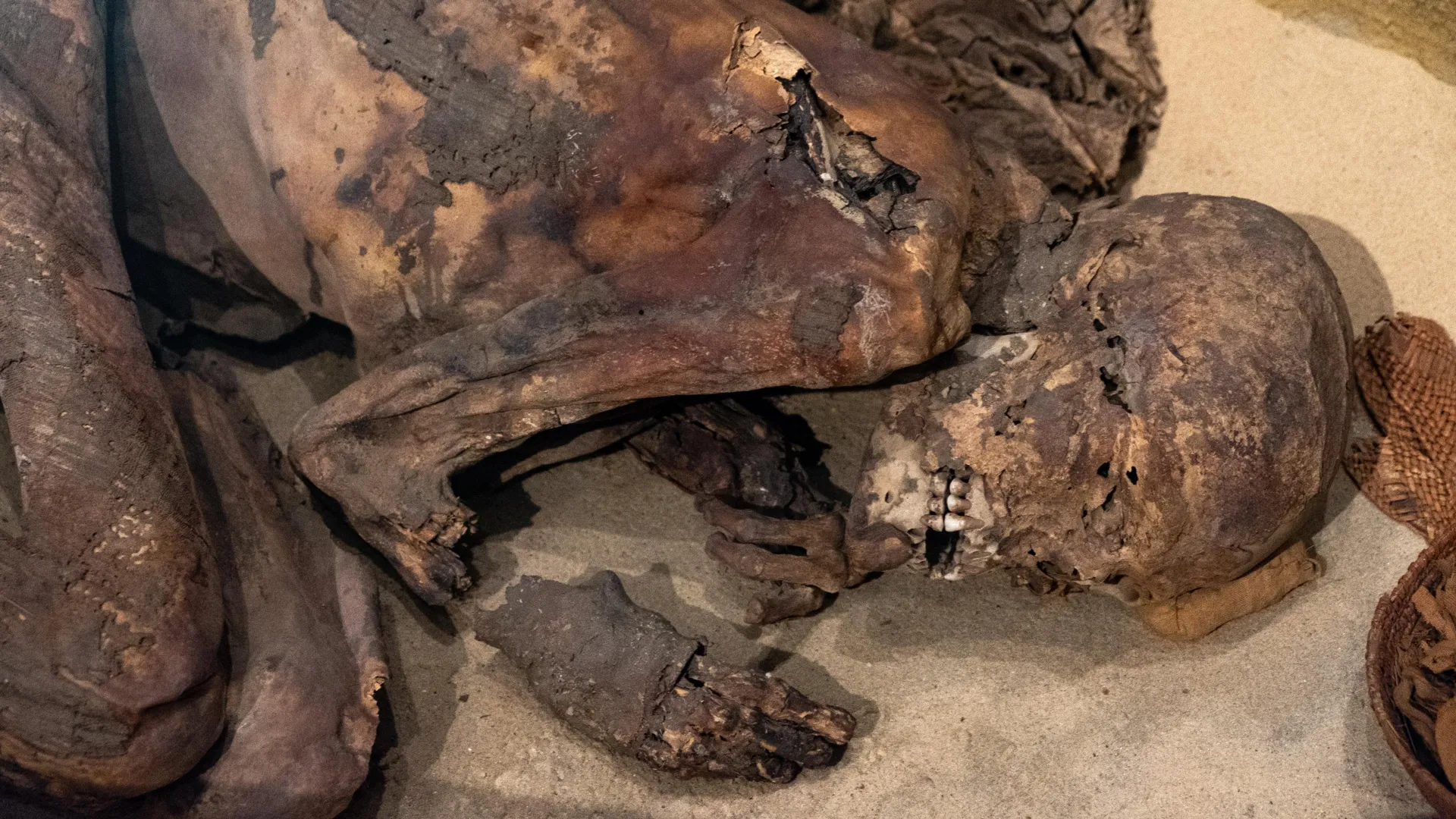
Eighteen out of forty-six skulls. That's a stunning ratio for a royal tomb complex, and it flips the way I've always pictured these early dynasties. We tend to romanticize ancient Egypt as this orderly, monumental civilization, but the evidence here suggests the first kings ruled through something closer to terror. The injuries on those skulls look like deliberate blows, the kind that ended lives rather than the kind you'd expect from a battlefield accident or a fall.
I think the sacrifice theory has real legs, especially since it matches records from later periods and even echoes in the famous royal tombs at Ur in Mesopotamia, where entire courts were buried with their rulers. The attendants weren't just mourners. They were inventory. When the king died, his power needed to travel with him, and that meant people had to die too.
What I'd want to know next is whether these were willing deaths or forced ones. Some cultures saw it as an honor, a chance to follow your master into the next world. Others had to be drugged or restrained. The skulls might tell us if we look at the wound patterns closely. Were the blows clean and swift, or messy and desperate? That detail would change the whole story.