A 236-million-year-old fossil could rewrite the story of mammalian birth
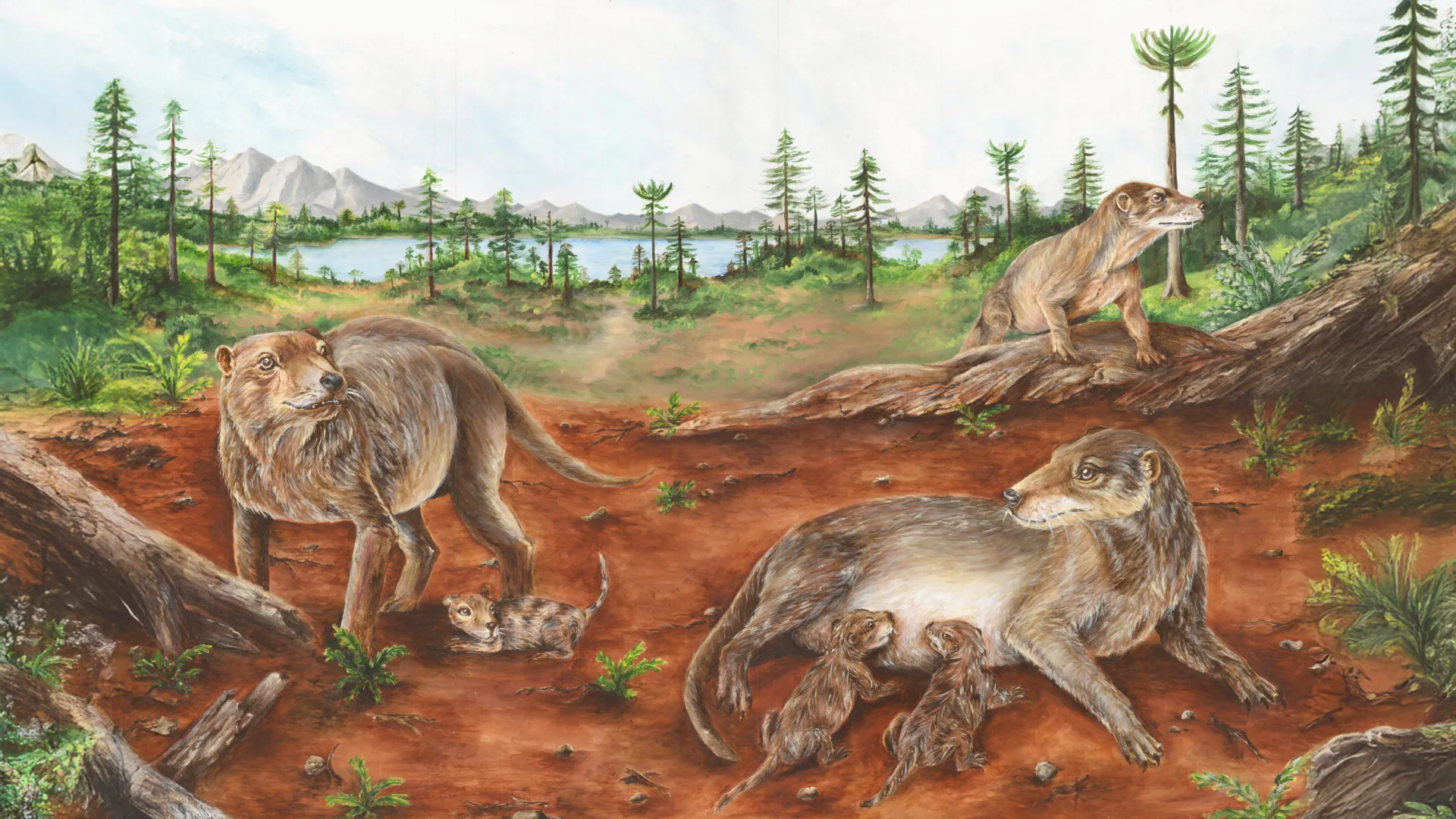
We've been telling the story of mammalian birth wrong. The standard narrative—eggs first, then a slow crawl toward live birth—just got a 236-million-year-old wrench thrown into it. A fossilized cynodont shows a neonatal growth line and a birth size that align with modern mammal patterns. That's not a hint; it's a smoking gun. If confirmed, this pushes live birth back by up to 95 million years. Ninety-five. That's enough time for the dinosaurs to come, conquer, and collapse twice over.
What this signals is bigger than reproduction itself. It suggests the mammalian reproductive toolkit wasn't a late, piecemeal invention—it was largely in place before the first true mammals even existed. Live birth, parental investment, the whole playbook? Possibly ancient code, not innovation. The cynodonts were running a "modern" biological operating system on pre-dinosaur hardware.
This connects to a growing theme in paleontology: traits we assume are recent and sophisticated are often embarrassingly old. Mammal-ness wasn't assembled in the Jurassic; it was inherited from deep time. The shadow of the dinosaurs maybe wasn't a constraint—it was context.
We used to think mammals evolved because of dinosaurs. Maybe they evolved before them, and just waited for us to notice how weirdly early they got it right.