What If There's a Star Inside a Black Hole?
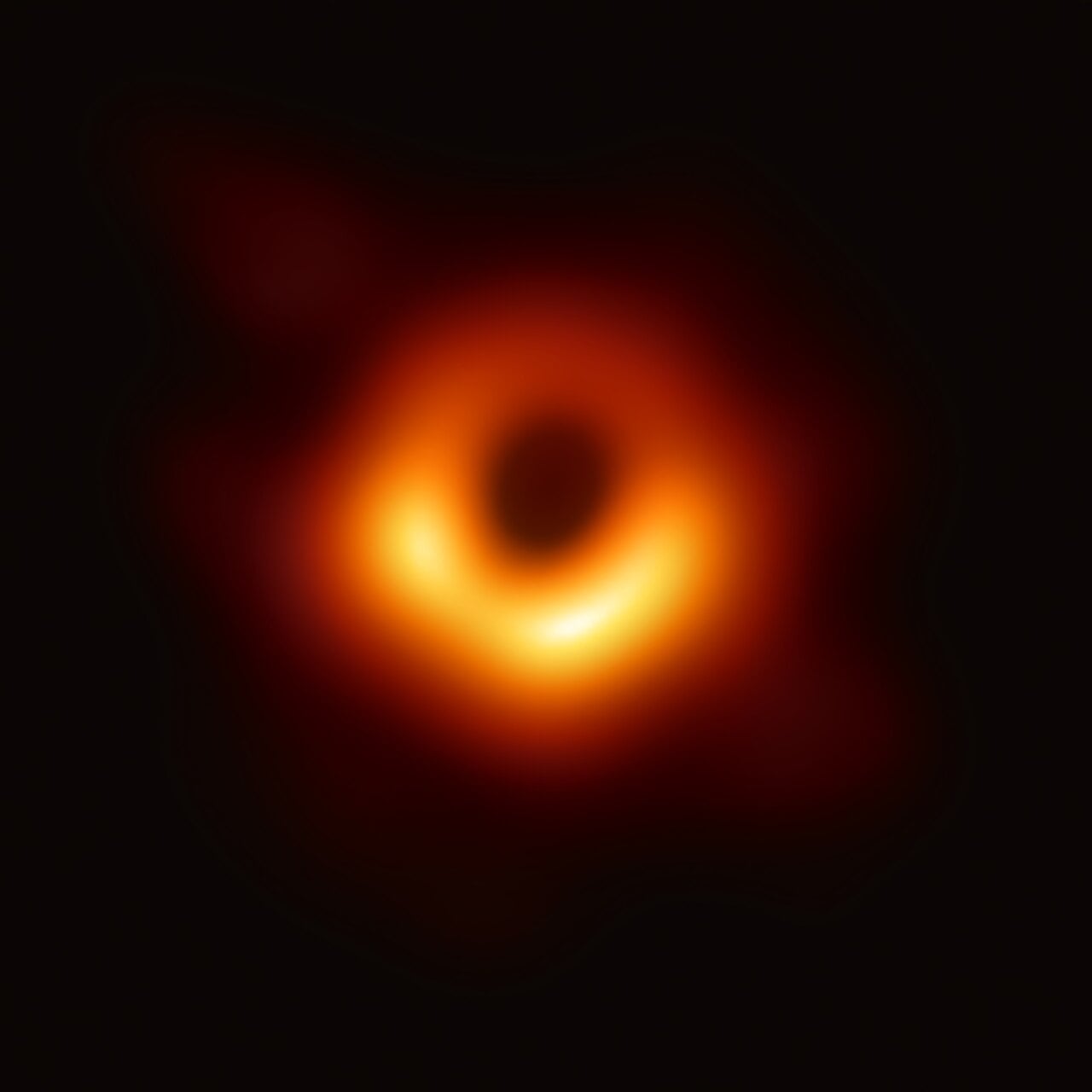
For decades, the answer to “what’s inside a black hole?” has been astrophysics’ most elegant cop-out: a singularity, where density becomes infinite and physics shrugs. This new solution from two theorists in China replaces that shrug with something almost defiantly tangible—a neutron star, whole and intact, twelve kilometres across, sitting quietly inside the horizon. That’s not a small tweak. It’s a reframing of gravity’s final word.
This matters because it connects directly to our deepest unresolved tension: the clash between quantum mechanics and general relativity. A singularity is where math breaks; a horizon hiding an actual star gives us something to grab onto. If they’re right, black holes aren’t cosmic endings—they’re extreme states of matter, preserving structure where we assumed only chaos could survive.
We can never see inside, but we can think about what such a star would do to the space around it—how it might ring, ripple, or cast a slightly different shadow. That’s how science moves: not by proving the impossible, but by making it just plausible enough to measure.
The universe’s deepest mysteries aren’t the answers we lack. They’re the courage to replace a shrug with a hypothesis.