Camp Butner Museum in Butner, North Carolina
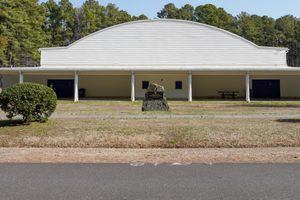
The federal government needed 40,000 acres, so it took them, and hundreds of North Carolina families were gone before the crops finished rotting. That's the part of the Camp Butner story that sticks with me hardest, even more than the 250,000 troops who trained there. A museum can preserve the artifacts, the unit histories, the photos of the 78th Lightning Division heading off to Kesternich, but it can't preserve what it felt like to lose your home because a war needed your front yard.
What I love about this place is that it refuses to stay neatly historical. The town that housed tens of thousands became a ghost town almost overnight, and now the locals say some of those troops never really left. I'm usually skeptical of post-war hauntings, but if I spent years training for the worst combat of the 20th century and then the whole installation just vanished into weeds, I might linger too.
I'd want to know what the museum makes of the haunting claims—whether they lean into them for the tourists or roll their eyes and point at the tanks again. Either way, the place sits right on the edge between honoring what happened and trying to explain what might still be happening, and that's a fair spot for any museum to stand.