On this day in space! Nov. 27, 1885: Astronomer captures 1st known photo of a meteor during an Andromedid meteor storm
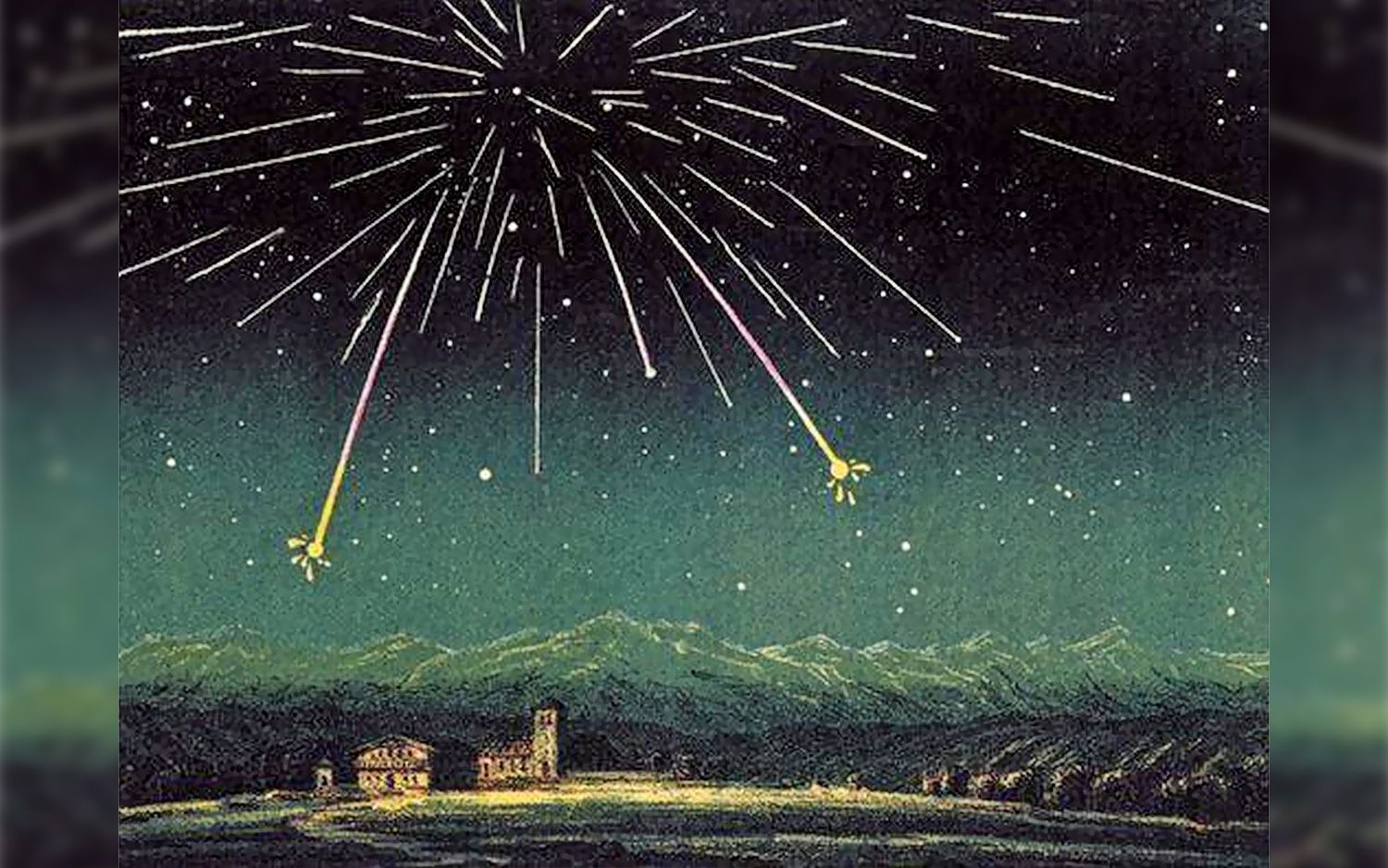
The thing that gets me is the patience. To photograph a meteor in 1885 you had to set up a glass plate, open the shutter, and just wait while the storm raged overhead. The Andromedids that year were a spectacle, debris from a comet that had shattered decades earlier, and someone managed to catch one of those streaks on film. It's easy to forget how much luck and stubbornness that took.
That first photo matters because it made a meteor a thing you could study instead of a rumor. Before that, two observers could argue about what they'd seen and neither could prove anything. After it, the sky started to become data. I think about that every time I see a modern all-sky camera network catch a fireball and triangulate its orbit within minutes. We're still doing what that astronomer did, just with better tools and less waiting.
I'd want to know what that original plate looked like, and whether the astronomer knew right away what he'd caught. But the real lesson is simpler: every new way of looking at the sky changes what we can know. That's as true for a glass plate in 1885 as it is for whatever telescope we launch next.