Researchers Have Figured Out How to Spot Fake Ancient Pottery Using the Earth's Magnetic Field
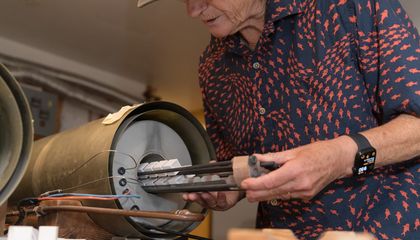
Every ancient clay pot is a tiny magnetic hard drive, and that might be the most delightful sentence I've written all week. The idea that iron minerals in fired pottery lock in the position of Earth's wandering magnetic pole is genuinely clever science, and it's about to make a whole lot of museum curators very nervous. I'd love to be a fly on the wall when some gallery realizes their prized Etruscan amphora has the magnetic memory of a 1920s souvenir ashtray.
There's something poetic about the Earth keeping receipts for thousands of years, quietly recording the exact moment a potter pulled a vase from the kiln. Forgers have spent generations perfecting the look of ancient clay, the wear patterns, the glazes, the chemical compositions. But they can't fake the planet's geological memory. That's a whole new level of authentication that no amount of tea staining or sandpaper can replicate.
I do wonder how many private collectors are about to have some very awkward conversations, and whether this will spark a black market in authentic fired shards to hollow out and pass off as complete pots. But mostly I like the thought that the ground beneath our feet has been keeping a diary all along, and we've finally learned how to read it. History just got a lot harder to lie about.