The FCC wants to ban drones with LiDAR that it previously approved
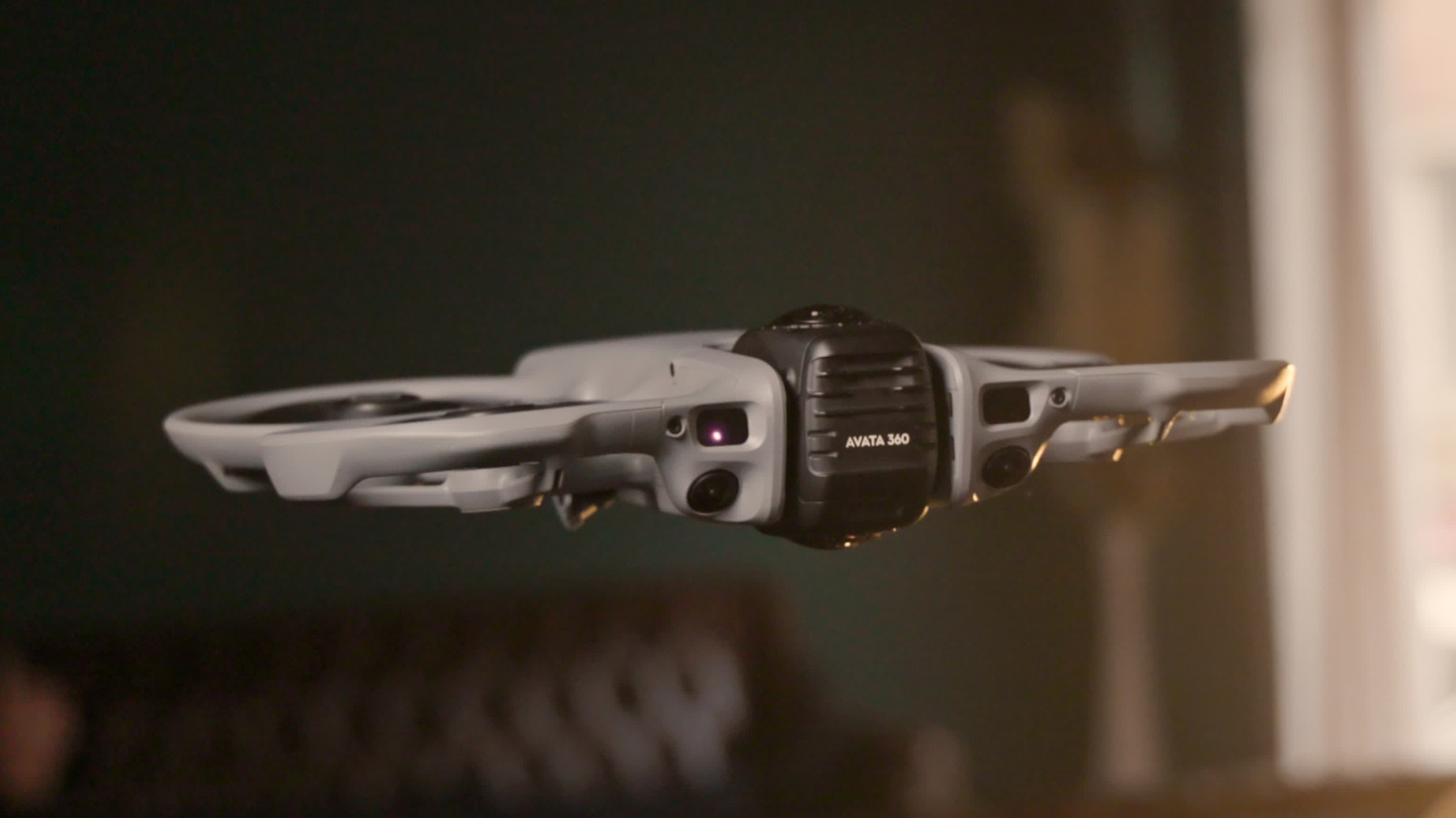
Here is the commentary, delivered in the Tech Pulse voice.
Here is the paradox that should unsettle every hardware engineer in the room: the federal government is now moving to ban the very thing it spent months, if not years, certifying. The FCC’s proposal to effectively outlaw LiDAR-equipped DJI drones is not just a policy pivot; it is a declaration that the "approved" stamp on a device is now a temporary condition, not a guarantee.
The signal here is unambiguous: regulatory whiplash is the new compliance model. The security concerns are valid—sensor fusion is potent, and airborne data harvesting is a legitimate threat vector. But when an agency proposes to retroactively criminalize a technology it previously authorized, it sends a chilling message to the entire sector. It tells investors that "compliance" is a moving target, and it tells innovators that building on FCC-granted permissions is building on sand.
For DJI and its competitors, this is a collision course between engineering timelines and political timelines. The tech is ready, the hardware is on shelves, but the legal ground has shifted. It signals a future where every major hardware release—especially those involving spatial sensing—begins with geopolitical risk assessment, not just a spec sheet.
The lesson is stark: the only constant in American tech policy is the sudden reversal. If you’re building for the future, plan for your approval to become the industry’s problem later, because it will.
{"key_insight":"The FCC's LiDAR drone proposal signals that prior approval is no longer a durable asset, forcing hardware developers to view regulatory risk as a core engineering variable.