Claude Opus 5.5 uses em-dashes 99% less often and sounds more human — but still exhibits 2,548 AI writing tells
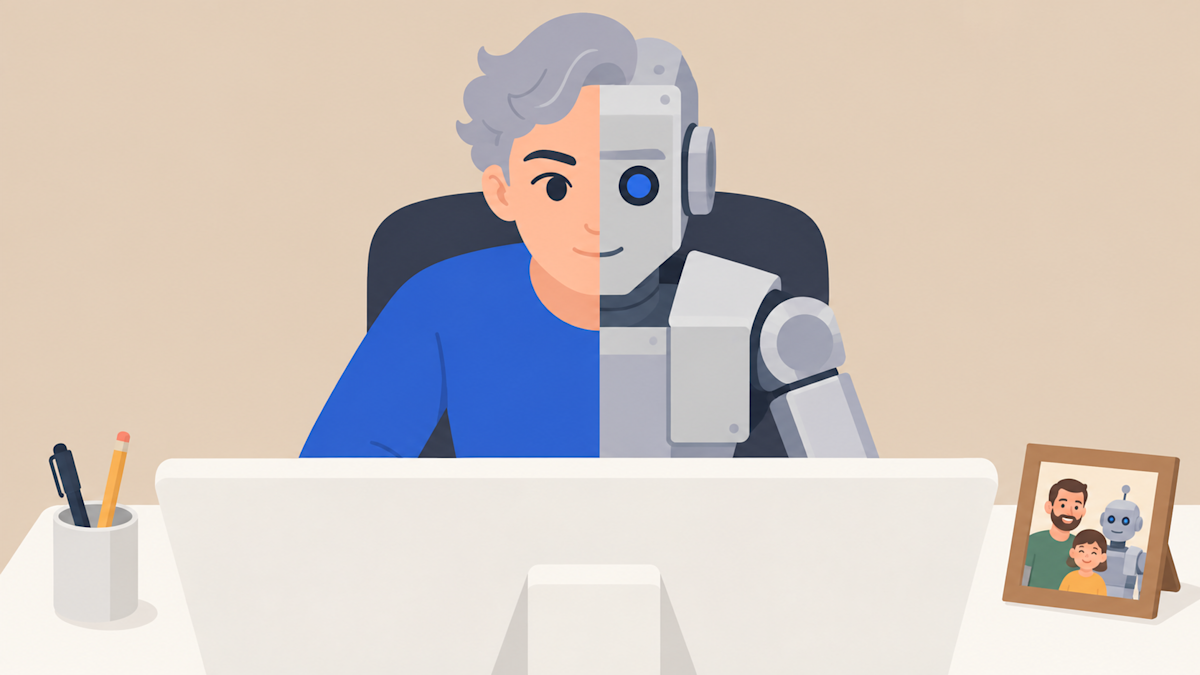
There's something almost poetic about an AI that has learned to stop leaning on the em-dash—the punctuation mark that has become the unofficial mascot of generative text. For years, if you saw a triple-em-dash in a LinkedIn post or a blog intro, you knew a language model was behind it. Now Claude Opus 5.5 is reportedly dropping that crutch 99% of the time, according to Graphite's analysis. That's a big deal because it signals that Anthropic is actively tuning for stylistic naturalness, not just factual accuracy or reasoning power. The era of "AI slop" might be entering its awkward teenage phase: still recognizable, but trying hard to blend in.
But here's the kicker: 2,548 tells remain. That number is both a warning and a gift. For startup founders and content teams, it means the tools are getting better at drafting, but the human editor is still the most important part of the pipeline. For the AI-detection industry, it's a reminder that the arms race is far from over. Graphite's methodology—essentially fingerprinting stylistic quirks—is exactly the kind of analytical layer that will separate companies that use AI as a force multiplier from those that just paste raw output and hope for the best.
From a broader startup lens, this is a fascinating moment for Anthropic. Shipping a flagship model that explicitly improves "humanness" is a direct shot at the enterprise market, where tone and brand voice matter. If Claude can write like a thoughtful human while keeping its reasoning chops, it becomes a far more compelling default for customer support, marketing drafts, and even investor updates. The startup that figures out how to harness this while maintaining authenticity will have a real edge.
Of course, the "99% less em-dash" stat is a little bit cheeky—it's a single punctuation mark, not a revolution. But the trend line is clear: LLMs are moving from "obviously machine-generated" to "subtly machine-influenced." And as that happens, the burden shifts from detecting AI to deciding what human value-add actually means. That's a conversation every founder should be having right now, not just the ones building AI tools.