Pocket's AI made my game ideas real. Now Meta controls the results.
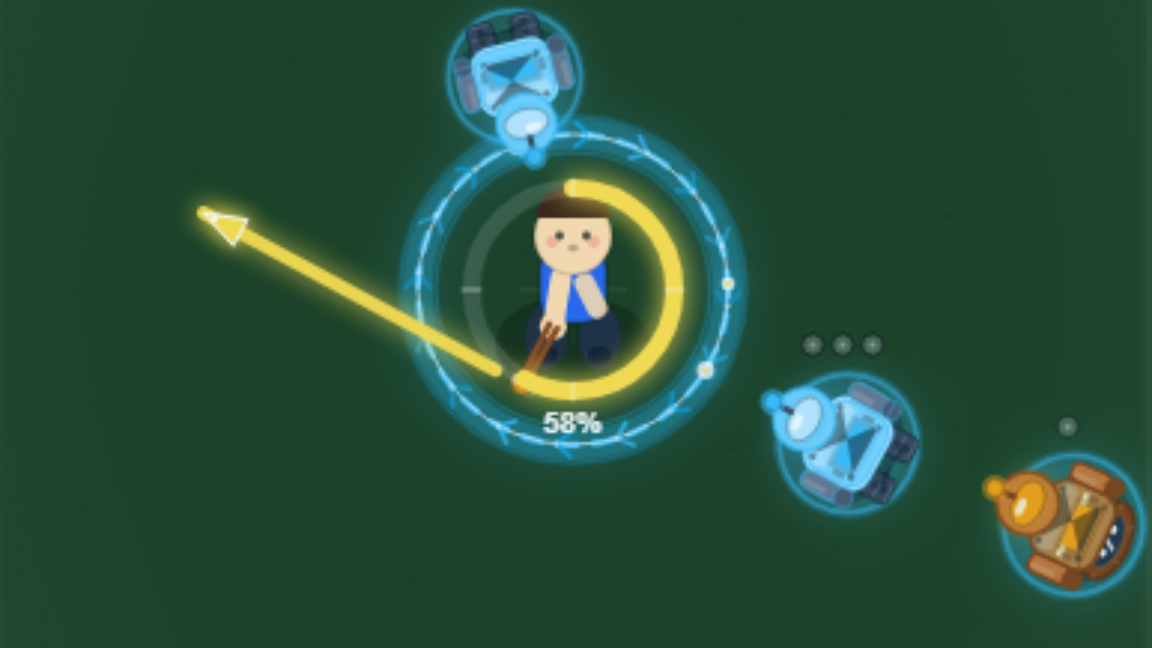
There is a seductive magic in the idea of speaking a game into existence. Pocket's AI, as described in this Ars Technica piece, offers exactly that: a frictionless creative act where the gap between "I wonder if..." and "I'm playing it" shrinks to a single prompt. For decades, speculative fiction has imagined such tools — the holodeck, the reality editor, the dream machine. To see it arrive as a mobile gizmo is both thrilling and, in a very particular way, deflating. The infinite becomes an app.
But the real story here is not the creation; it's the custody. The article's raw summary cuts to the bone: easy to make, hard to share outside Meta's platform. This is the oldest play in the digital playbook. Give users superpowers, then make sure the fruits of those powers remain inside your ecosystem. We saw it with app stores, with social graphs, with user-generated content farms. The tool democratizes the act of making, but the platform centralizes the act of distribution. In the speculative future, this is how the metaverse dies — not through a lack of imagination, but through a surplus of gatekeeping.
Consider the deeper implication for creative ownership. When a human types a prompt and an AI renders a playable artifact, who owns the result? The user's idea? The model's output? The platform's infrastructure? The law has barely begun to grapple with this. If your gizmo becomes a hit, does Meta have the right to remix it, monetize it, or bury it? In the old world, the creator held the source code. In the new world, the source code is a conversation with a black box that belongs to someone else. That is a profound shift in the balance of creative power.