Why your local LLM feels dumber than it is
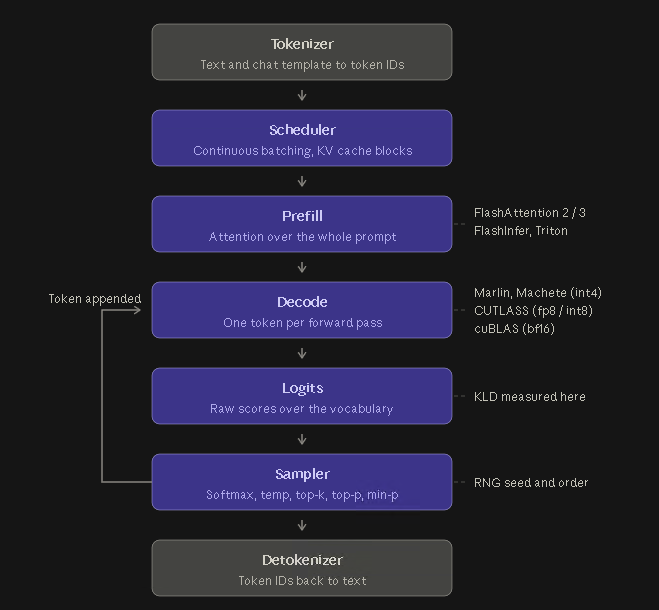
Look, I've been saying this for ages: people download a 7B quantized model, throw it into a bare-bones llama.cpp build, and then scream "AI is a scam!" when it can't write a haiku without hallucinating a recipe for plutonium. The problem isn't the model—it's that you're feeding it garbage and expecting gourmet. The Level1Techs thread nails the classic culprits: no system prompt, wrong sampling parameters, or a context window that's been chopped to 2k tokens because your RAM is busy running Chrome's 47 tabs.
But here's the real kicker: the "dumbness" is often a feature of the local ecosystem. Cloud models like GPT-4 have massive hidden context, fine-tuned RLHF, and a team of prompt engineers babysitting the API. Your local model is a raw, unshackled beast—it'll tell you the truth, even if the truth is "I have no idea." That's not dumb; that's honest. The problem is we've been trained to expect sycophantic, polished answers from the cloud, and when a local model says "I don't know," we think it's broken.
The thread also touches on quantization and temperature settings—two things most people never touch. Run a 4-bit quant with a temperature of 0.8 and you're basically asking for a stream-of-consciousness ramble. Drop the temperature to 0.1, add a proper system prompt like "You are a helpful assistant," and suddenly your 7B model sounds like a competent intern. It's not magic; it's just using the tool correctly.
And let's not forget the elephant in the room: the benchmark fetish. People run MMLU or HumanEval and compare raw scores against cloud models, ignoring that those benchmarks are designed for specific inference setups. A local model with 4GB of VRAM running on CPU will naturally score lower—but it's also running on your terms, with no data leaving your machine. That's a trade-off, not a failure.
So before you dump your local LLM for another API subscription, check your config. Set your temperature, write a real system prompt, and give the model enough context. It's not dumber—you're just not speaking its language. The open-source community has built incredible tools, but they require a bit of tinkering. That's the price of freedom, and honestly, it's worth every minute.