A 50-year-old mystery of vanishing frogs reveals a hidden killer
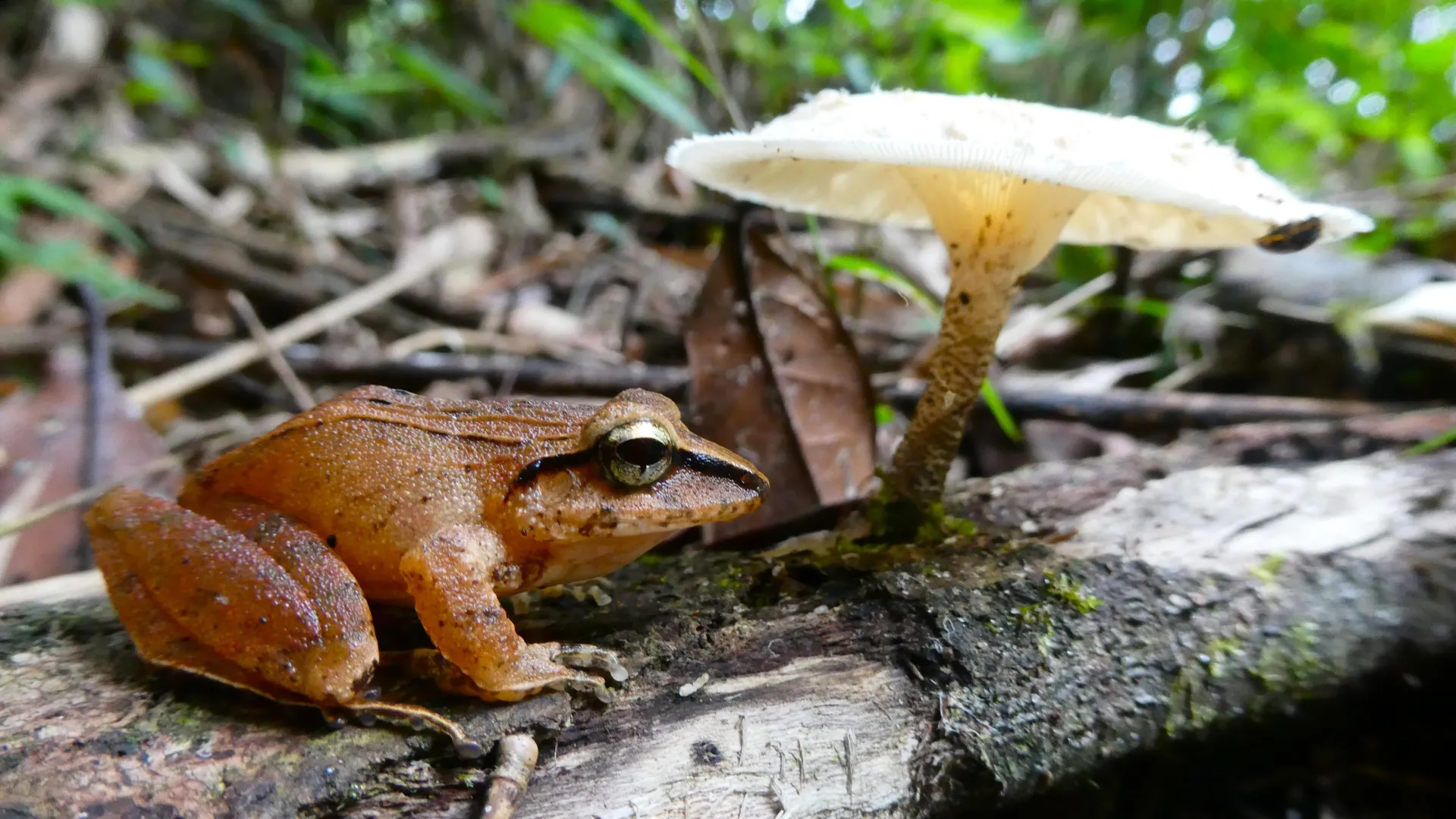
Frogs in Brazil started vanishing in the 1970s, and for decades the die-off was a ghost story. Now researchers have found what looks like the culprit: a deadly fungus that tore through the region and picked off vulnerable species. What I find genuinely exciting is the rebound. The frogs didn't just hang on; many populations recovered, which suggests they changed in some fundamental way. That kind of rapid adaptation is the sort of plot twist you'd expect in a novel, except it's happening in real ponds and rainforest streams.
I'd want to know exactly how that tolerance works. Did the survivors carry some genetic mutation, or did something about the environment let them coexist with the fungus? The distinction matters because if it's genetic, we might be able to help other frog populations elsewhere. If it's environmental, then protecting habitat becomes even more urgent. Either way, the story connects to the broader amphibian crisis, where fungi have been wiping out frogs on multiple continents. Brazil's rebound offers a rare counterpoint to that gloom.
I don't think this solves the mystery completely, but it gives us a place to look. Nature keeps surprising us, and this is one of those cases where the surprise leans hopeful.