California’s Beaches Are Swarming With Stingrays This Summer, and Thousands of People Are Getting Stung
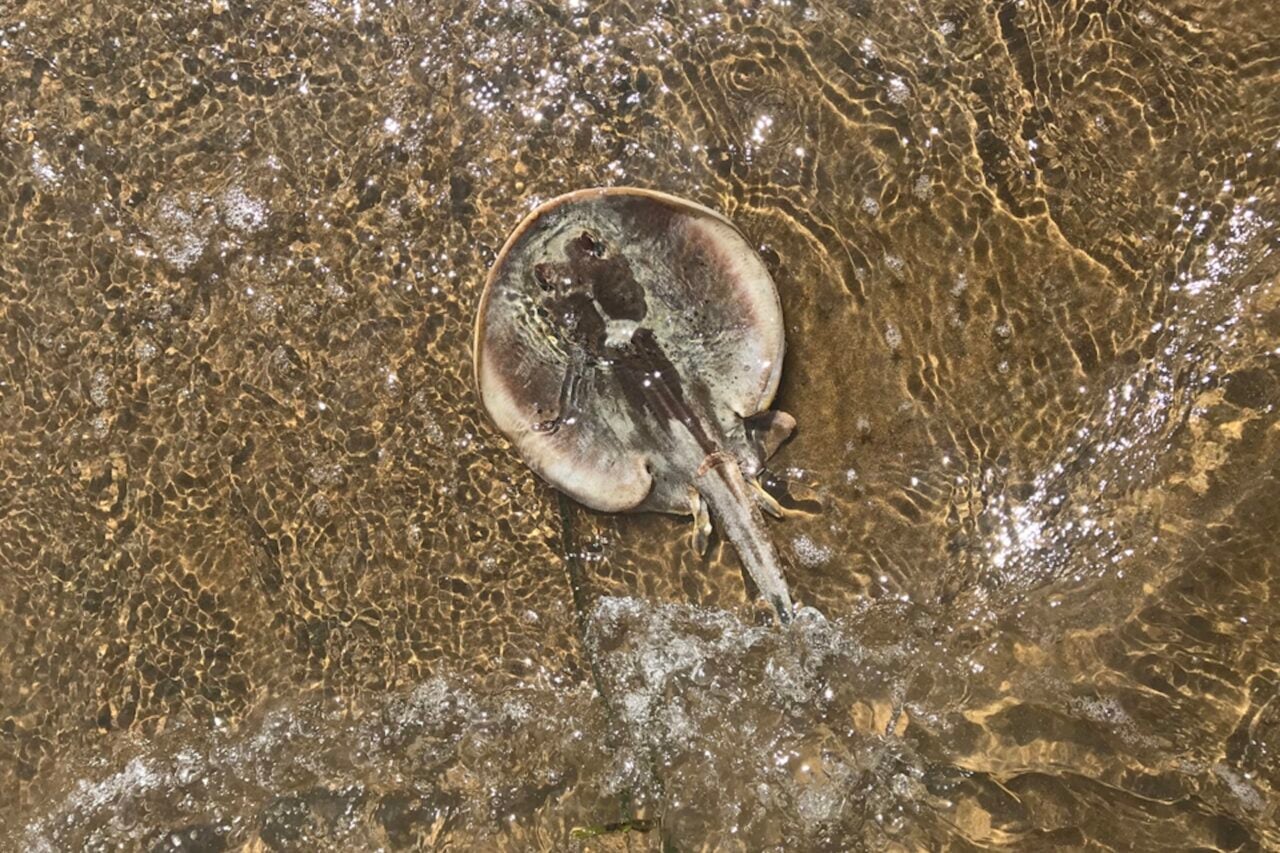
The lifeguards see it on their dashboards as a data spike, but we in The Chart Room know better: this is a first-contact report disguised as a local news item. Tropical stingrays swarming temperate California beaches—attacks doubled, thousands stung—is not an ecological footnote. It's a genre log entry, the opening scene of a coastal thriller where the map has quietly rerouted itself.
What matters here isn't the sting count. It's that the old boundaries—latitude, temperature, species range—have become plot devices. The ocean is now writing its own rewrite, and we're all extras. This connects directly to the "didn't-ask-for-this" subgenre: think Sharknado minus the irony, or The Bay with wings instead of isopods. We're seeing a slow-motion displacement, a silent invasion of angles where coastlines no longer promise safe shallow water.
So when you hear "thousands of people are getting stung," don't flinch at the pain. Listen for the signal in the dorsal fin: something is migrating. The beach was never the border—it's the stage. And if the stingrays are tropical now, wait until you see what else the current decides to deliver.
Backstage of other worlds, we are not where the map says—but neither are they.