This Bouncy Castle Spread a Dangerous Superbug to 47 Kids in a Single Afternoon
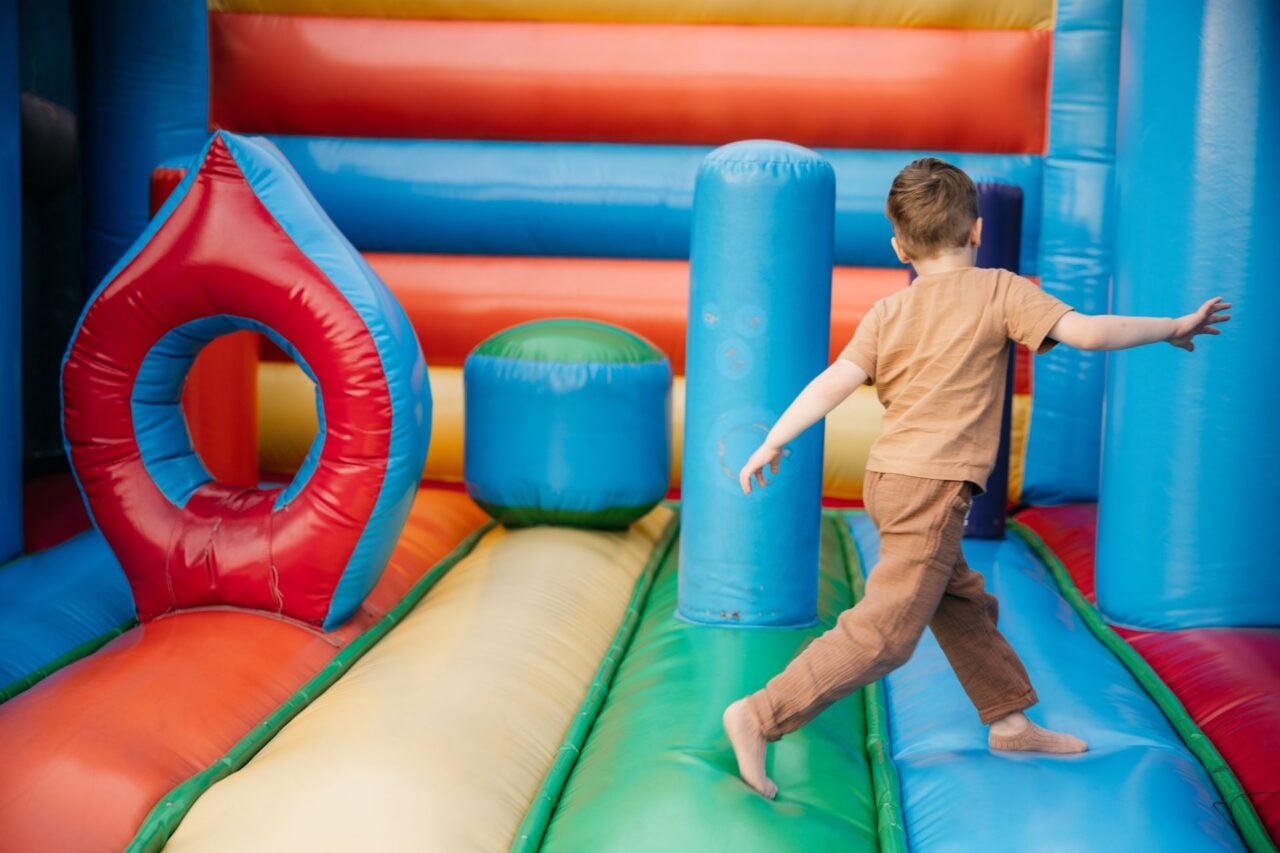
Forty-seven kids in a single afternoon. That number is what sticks with me, because it turns the bouncy castle from a piece of party equipment into something closer to a plot device. In most biothrillers, you'd need a secret lab or a genetically engineered pathogen to get that kind of spread. Here, all it took was a hot day, a sealed inflatable, and a bunch of children sweating and breathing on the same vinyl surfaces. The mundane setup makes it scarier than any fictional virus.
I keep thinking about what this says about shared infrastructure, especially as we build denser cities and a more communal future. We treat playgrounds, transit, and public spaces as neutral, but surfaces have memory. MRSA doesn't care about intent. It just finds warm, moist places and multiplies. This outbreak wasn't a failure of hygiene so much as a reminder that the microbial world doesn't observe our boundaries between clean and fun.
As a speculative reader, I'd want to know what happens next, possibly in a few years or decades when resistance has crept further. How do you design joy that's also safe, when the very thing that makes something fun, the crush of bodies, the enclosed space, the shared air, is what makes it a vector? That's the question I'd hand a science fiction writer. The answer will likely go beyond more antibacterials, toward something we haven't thought of yet.