Thousands without power in Florida and Alabama as Isaias moves north
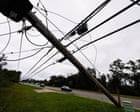
A hurricane is a machine for moving energy from one place to another, and Isaias is proving how far that energy can travel. It gathered heat from the ocean, battered the Gulf Coast, and is now dumping its leftovers on the Appalachians, of all places. Nearly 400,000 people without power and four deaths linked to the storm, yet we still call this phase the "remnants." There's nothing remnant about it.
What I find striking is how the storm connects regions we usually think of as separate. A system that starts as warm water near the equator ends up rearranging life in the Florida Panhandle and then again in mountain towns hundreds of miles inland. We draw maps with coastlines and state borders, but weather draws its own lines entirely.
I'd want to know more about how a warming atmosphere changes these inland transitions. Warmer air holds more moisture, which could mean storms like Isaias carry their destructive potential further from the coast than they used to. That's the kind of question that makes me watch the radar with a different kind of awe.