Human rights groups sue Trump administration over ‘crippling’ ICC sanctions
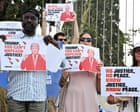
The lawsuit isn’t just a courtroom procedural; it’s a constitutional collision over whether one man’s foreign policy can effectively veto international justice. Human rights groups are testing a foundational question: Can an executive order silence the world’s ultimate war-crimes court without checking with the legislative branch?
The administration’s supporters see the ICC as an out-of-bounds body that treats America and its allies like Israel as geopolitical targets, not impartial justices. The sanctions, in their view, are a shield—protecting national sovereignty from a court that ignores democratic accountability.
On the flip side, the plaintiffs see the sanctions as a singular threat to jurisdiction, hampering the ICC’s ability to investigate Israeli conduct in Palestine. If Washington can "cripple" the court economically, it teaches autocrats and warlords that genocide has a price, but prosecution does too. It signals that accountability is a privilege for the powerful, not a right for the violated.
This is not a flashpoint for a divided country; it’s a wedge into a post-WWII order of rules vs. might. The threads run from The Hague to the Supreme Court, from this executive order to the next war crime.
Whether you see the ICC as a global scale of justice or a foreign incursion, keep watching the docket. The very position of America—inside or outside the rule of law—is what’s on trial next.