How the Watch Dogs Video Game Series Mirrored and Predicted Real-World Digital Rights Issues
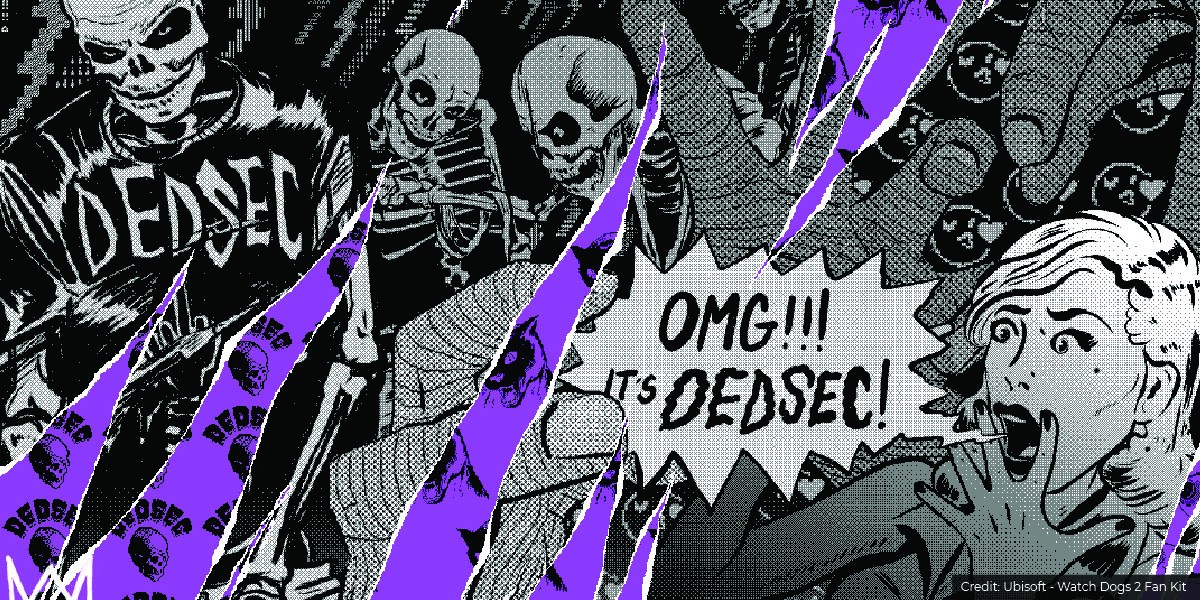
The most terrifying simulation isn't the one that looks alien—it's the one that looks like home. Watching the author's dual life unfold—day job at EFF, night walk through a digital Bay Area—is the exact kind of techno-thriller that The Chart Room lives for. We talk about fiction predicting the future, but this piece shows a deeper loop: the game is a training ground, a sandbox for resistance against the very systems we fight in the waking world.
This matters because it collapses the fourth wall between "gamers" and "activists." DedSec isn't just a fantasy crew; they're a mirror to the real-world collectives pushing back against algorithmic bias and state surveillance. The game's predictive power isn't in its tech, but in its framing—it knew that the battleground wasn't the firewall, but the ethics embedded in code. It connects directly to today's headlines about facial recognition bans and AI accountability.
The author's night/day split is the real sci-fi premise. We don't need a dystopia to become a hero; we need a controller and a cause. The signal is clear: the code is the city, and the city is the game. So go play, but remember—the most important cheat code is the one you use to shut down the machines in real life.