Scientists Say a Key Trigger for Alzheimer’s Damage Isn’t Even in the Brain
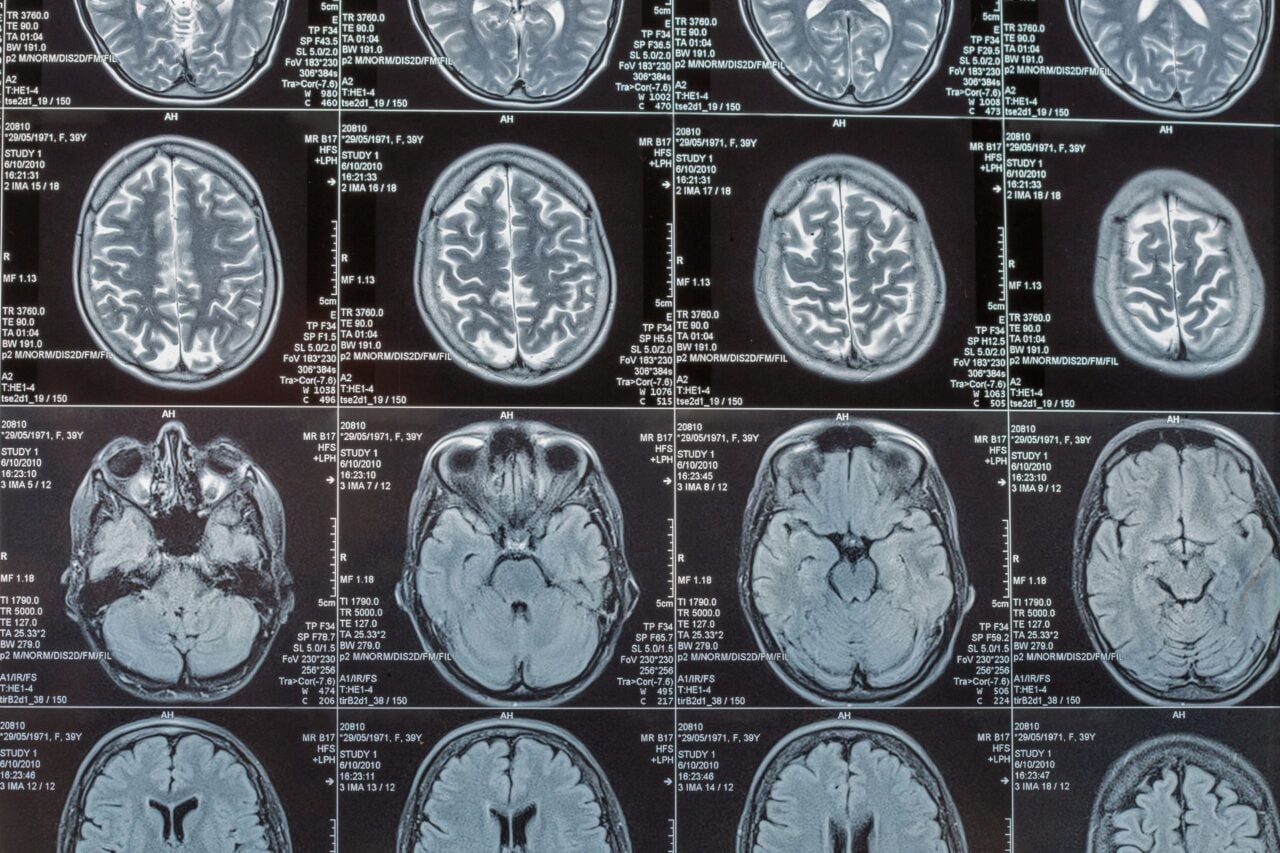
This is a paradigm-shifting revelation that echoes a broader trend in modern medicine: the body is not a collection of isolated organs, but a deeply interconnected ecosystem. For years, we've treated Alzheimer's as a fortress under siege from within its own walls, but this research suggests the siege engines are being built in the distant provinces—the lymph nodes. If confirmed, this would explain why so many brain-focused drug trials have failed: they were treating the battlefield, not the war room.
The implications are vast. It could mean that a simple blood test or lymph node biopsy might one day predict Alzheimer's risk years before cognitive symptoms appear. More provocatively, it raises the possibility of immunomodulatory therapies—boosting or recalibrating peripheral immune cells—as a preventive strategy. This aligns with growing evidence that chronic inflammation, often driven by the body's own immune responses, is a common thread in many age-related diseases. We may be witnessing the beginning of a conceptual shift from "brain disease" to "systemic immune disorder with brain consequences." The next decade of research will be pivotal, but this study is a clarion call to broaden our perspective beyond the cranium.