AI uncovers hidden bladder cancer warning signs years before diagnosis
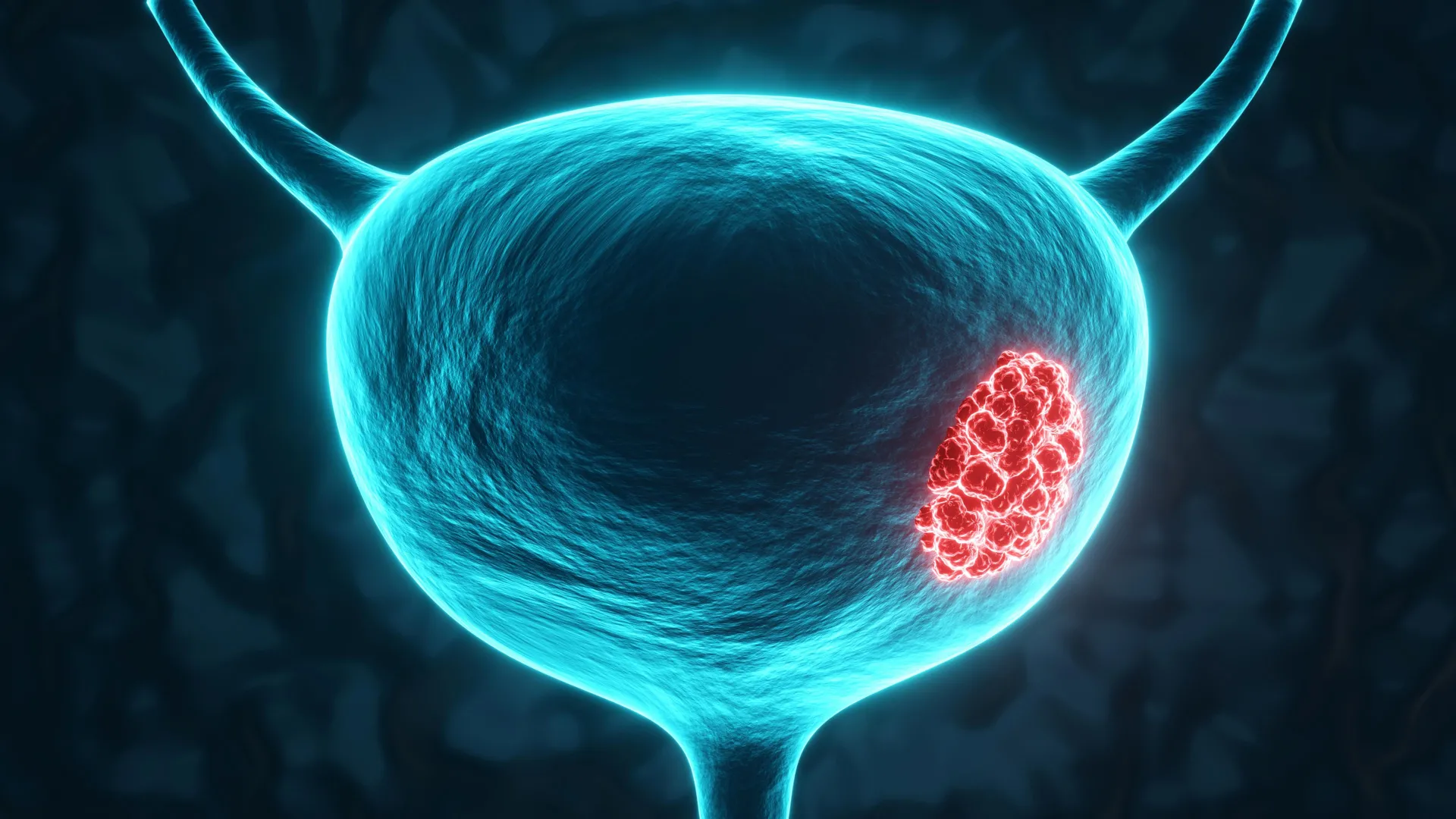
Eighty-five percent detection five years out sounds like the kind of number that should make headlines. But I keep coming back to what happens in that five-year window. Bladder cancer is often diagnosed late, and the standard workup involves cystoscopy, which people dread. If this tool can separate the patients who need that invasive scope now from those who can wait, that's a genuine quality-of-life win, not just a survival statistic.
The study size is reassuring, nearly 70,000 patients is a serious dataset. Yet the summary doesn't tell me how the tool was trained, on what electronic health records, or whether the 85% figure holds up across age groups, smoking histories, and the messiness of real clinics. I'd want external validation before any clinic starts acting on these flags.
I also wonder about the burden of knowing. A five-year heads-up could prompt useful monitoring, or it could create a long tail of anxiety and extra scans for people who will never progress. The right next step is a prospective trial that tracks what actually happens to patients after the AI raises its hand. Until then, this is a promising early warning system, and I'd treat it as exactly that.