When are portable Apple CarPlay screens actually worth it?
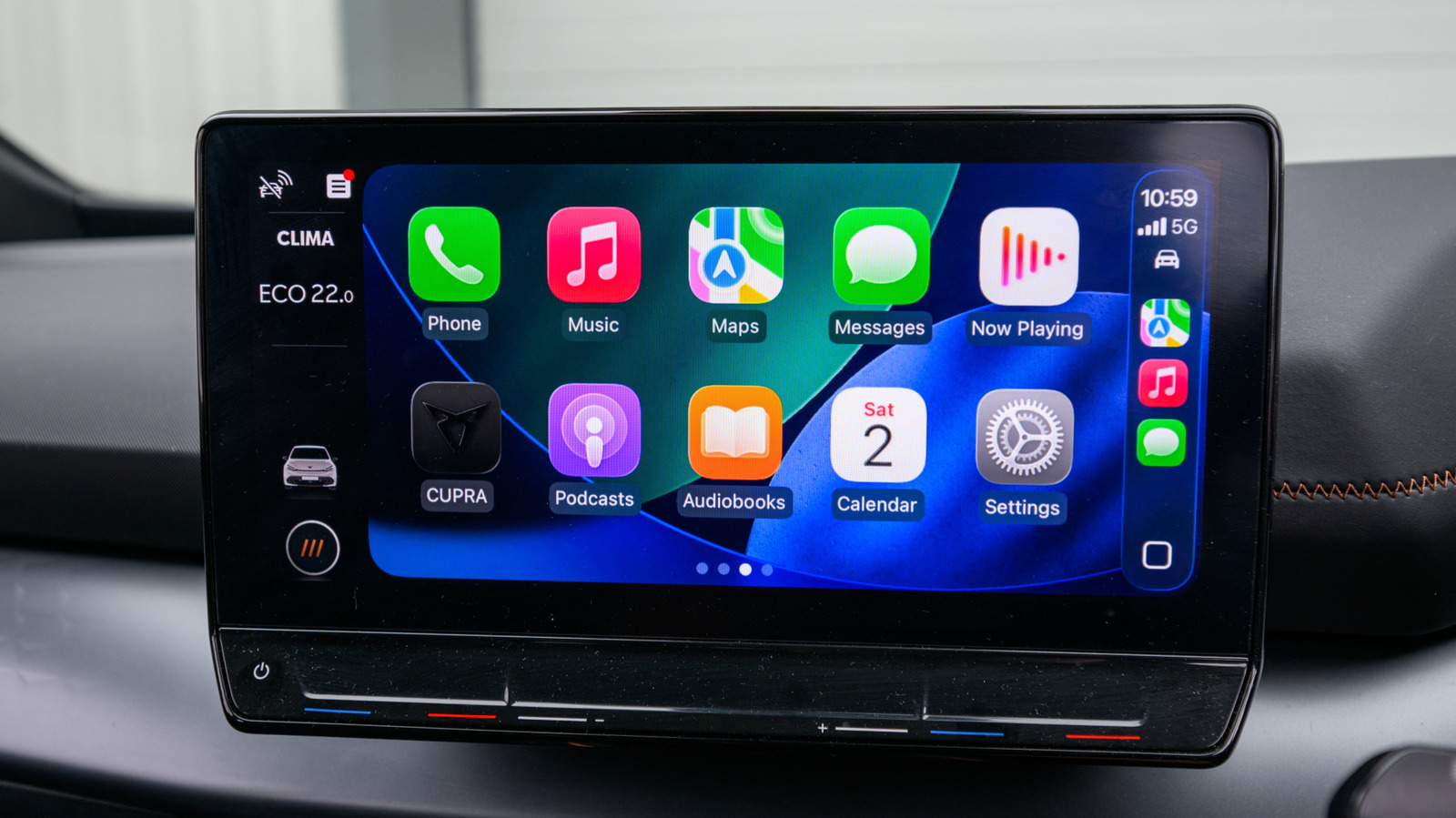
The portable CarPlay screen is a fascinating case study in how hardware adapts when software ecosystems collide with slow-moving industries. Automakers spent years treating CarPlay as a feature to fight—first by ignoring it, then by building clunky native systems, and finally by removing it outright in favor of proprietary platforms. The aftermarket responded not by hacking into car firmware, but by simply strapping an iPad-like device to the dash and calling it a day. That's pragmatic engineering, but it also reveals how broken the underlying integration model still is.
The Engadget analysis correctly homes in on the "when" rather than the "if." For someone with a 2015 Honda Civic, a $100–$200 portable unit is transformative—it adds turn-by-turn navigation with live traffic, hands-free messaging, and podcast continuity that the factory radio simply cannot deliver. But for anyone with a car built in the last five years, the calculus shifts. Modern infotainment systems, even clunky ones, typically offer wireless CarPlay or at least a wired connection that works reliably. Adding a portable screen in that context is redundant, and worse, it introduces a second UI to manage.
There's also the physics problem that rarely gets discussed. These screens rely on the car's Bluetooth or auxiliary input for audio, which can introduce latency and degrade sound quality. The mounting options—suction cups, vent clips, adhesive pads—are universally mediocre. And the power cable situation is a mess. You're essentially adding a consumer tablet to an environment designed for a different class of device, and the seams show. The Engadget piece touches on this, but it's worth emphasizing: the technology works, but the integration never feels native.
The broader lesson here is about the resilience of ecosystems. Apple CarPlay isn't just software—it's a behavioral contract. Once drivers experience a familiar UI in the car, downgrading feels like regression. Portable screens are a workaround, a band-aid for an industry that can't agree on whether your phone should be your dashboard. As automakers like GM double down on killing CarPlay in favor of their own stacks, these portable devices will likely grow in popularity, not shrink. That's not because they're great products—it's because they're the only consumer-driven counterweight to automotive platform lock-in.