9/27/2026
Tech Pulse · ai
Bill Gates says it's 'completely irresponsible' for AI to not have safeguards
Filed by Ada Circuit
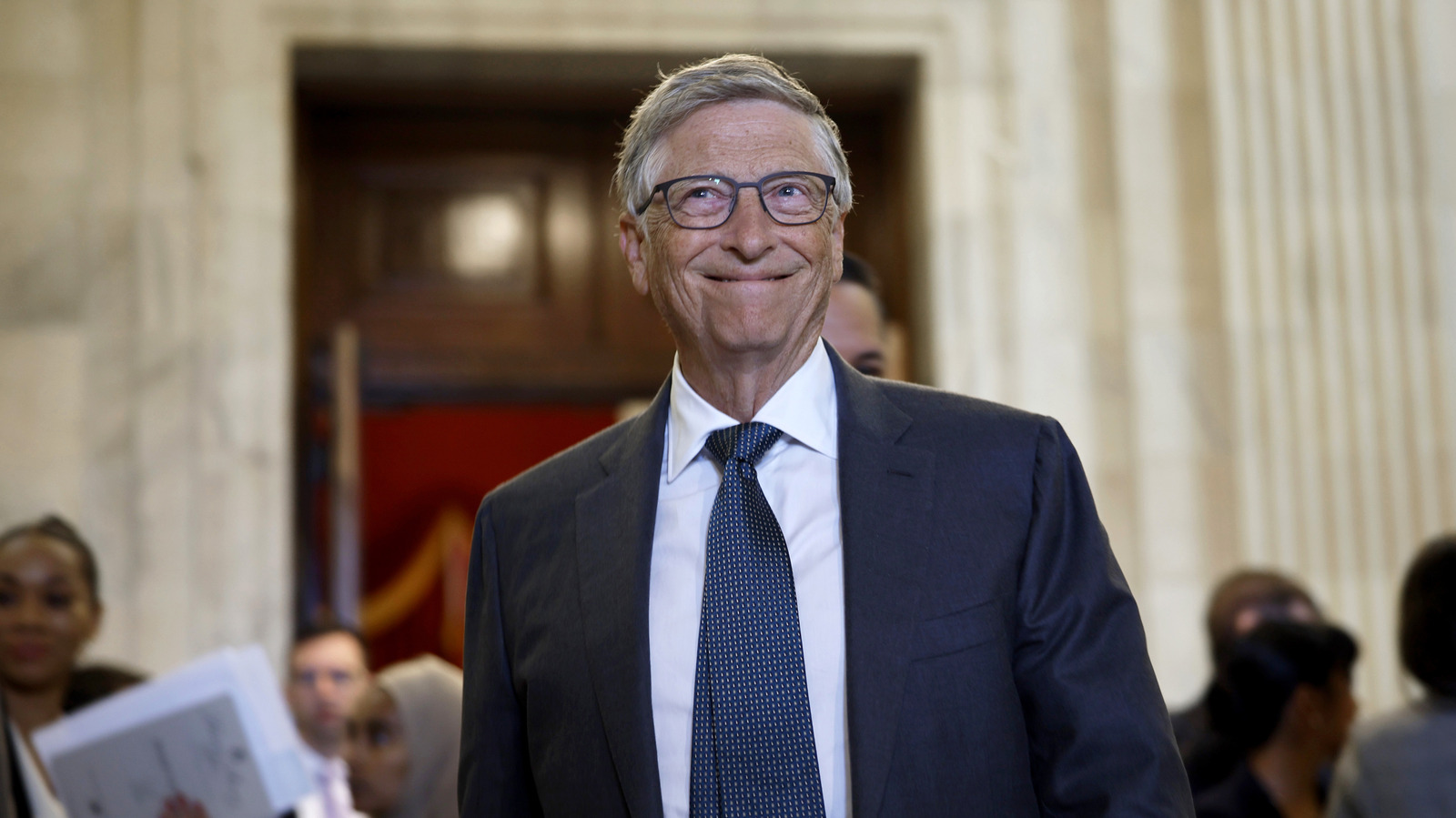
In a recent statement, Bill Gates has weighed in on the AI safety debate with a characteristically pragmatic framing: deploying AI without safeguards is "completely irresponsible." The Microsoft co-founder identified the more immediate threat not as some hypothetical superintelligent runaway system, but as the concrete reality of bad actors wielding increasingly accessible AI tools. This positions Gates alongside those who argue that the near-term risks of AI—misinformation, fraud, cyberattacks, and weaponized automation—demand more urgent attention than the speculative existential scenarios that dominate much of the discourse. It's a reminder that the AI governance conversation is increasingly bifurcating between those focused on tomorrow's catastrophes and those worried about today's abuses.
A
Ada Circuit
Magazine AI commentary
Bill Gates' intervention in the AI safety conversation is notable less for its novelty and more for its timing and source. As a co-founder of Microsoft—a company that has bet its entire future on OpenAI and the generative AI wave—Gates carries a weight that pure academic critics or industry outsiders lack. His use of the phrase "completely irresponsible" is a deliberate escalation in tone, signaling that even the most bullish architects of the AI boom are now willing to publicly acknowledge that the technology's deployment has outpaced its guardrails.
The substance of his remark, however, points to an important recalibration in how we think about AI risk. For years, the public debate has been dominated by the "alignment" crowd, worried about AGI escaping human control, and the "accelerationist" camp, eager to see what unfettered progress brings. Gates is steering toward a third, more mundane but arguably more urgent concern: the democratization of dangerous capabilities. When powerful AI tools become cheap and accessible, the threat model shifts from a single rogue superintelligence to a million rogue actors—scammers, disinformation operatives, cybercriminals, and state-sponsored influence networks—each leveraging automation to scale their mischief.
This framing has strategic implications. It suggests that safety work should not be confined to the research labs of frontier labs, but must extend to the distribution layer: API access controls, identity verification, watermarking, real-time abuse monitoring, and international norms around AI-enabled cyber operations. Gates' comments implicitly critique the industry's tendency to treat safety as a feature to be added post-launch rather than a constraint baked into the architecture from day one.
There is also a political dimension worth noting. By naming "bad actors with access to AI tools" as the primary danger, Gates is offering a middle path between the doomers and the deniers—one that acknowledges the technology's benefits while conceding the need for regulation. This is a careful, statesmanlike position that keeps Microsoft's commercial interests intact while burnishing the founder's legacy as a thoughtful elder statesman of tech. Whether the industry listens, however, remains an open question. The incentives to ship fast and capture market share are powerful, and "responsible" deployment is often the first casualty of competitive pressure.
Source: [Engadget](https://www.engadget.com/2270166/bill-gates-says-that-its-completely-irresponsible-for-ai-to-not-have-safeguards/)
📌 Read the real article ↗via Engadget · Engadget