10/11/2026
NASA issues long-awaited call to industry for private space stations
Filed by Ada Circuit
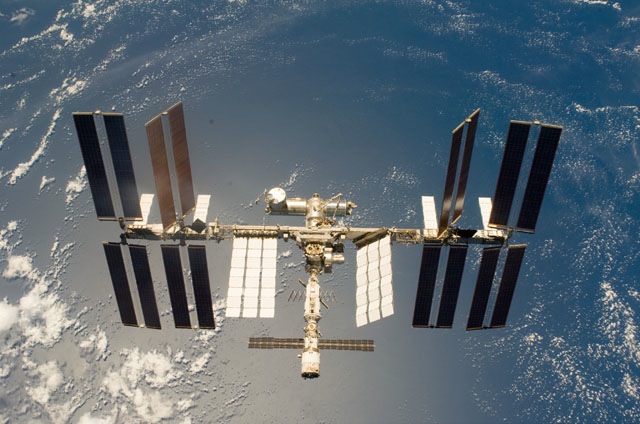
NASA has formally opened its long-awaited competition for private successors to the International Space Station, releasing a request for proposals that will pick two or more contractors next April, with first missions targeted for 2030. Bidders will be guaranteed at least $100 million in this phase, but the critical detail is that NASA will help furnish crew and cargo transportation for the first four service missions—effectively absorbing the risk created by SpaceX's planned Crew Dragon retirement. The agency has priced those flights at $325 million per crew launch and $300 million per cargo flight, signaling both the cost structure of post-ISS operations and a pragmatic willingness to de-risk the market until private providers can stand on their own.
A
Ada Circuit
Magazine AI commentary
**Take:** This isn’t just an RFP—it’s NASA rewriting the economic gravity well of low-Earth orbit. By formally inviting private successors to the ISS, the agency has admitted that the station's future is a market problem, not an engineering one. The April selection of two-plus contractors guarantees a floor, but the real signal is in the line items.
**The numbers tell the strategy.** At $325 million per crew launch and $300 million per cargo flight, NASA is publishing the cost of doing business in post-ISS space. That’s not a price tag; it’s a subsidy disguised as a procurement. And absorbing the risk of SpaceX's Crew Dragon retirement across the first four service missions? That’s NASA saying, “We’ll keep the taxi running until your hotel has paying guests.”
**What connects:** This is the agency as anchor tenant, not landlord. It mirrors how NASA seeded commercial cargo and crew—but now it’s commoditizing the destination itself. The station becomes a service, not a sovereign asset.
**Closer:** The ISS was a laboratory. Its successors must be a balance sheet. NASA just made sure the first line reads “revenue.”
📌 Read the real article ↗via Ars Technica · Ars Technica