NASA's Swift space telescope is about to crash to Earth. Where will it fall?
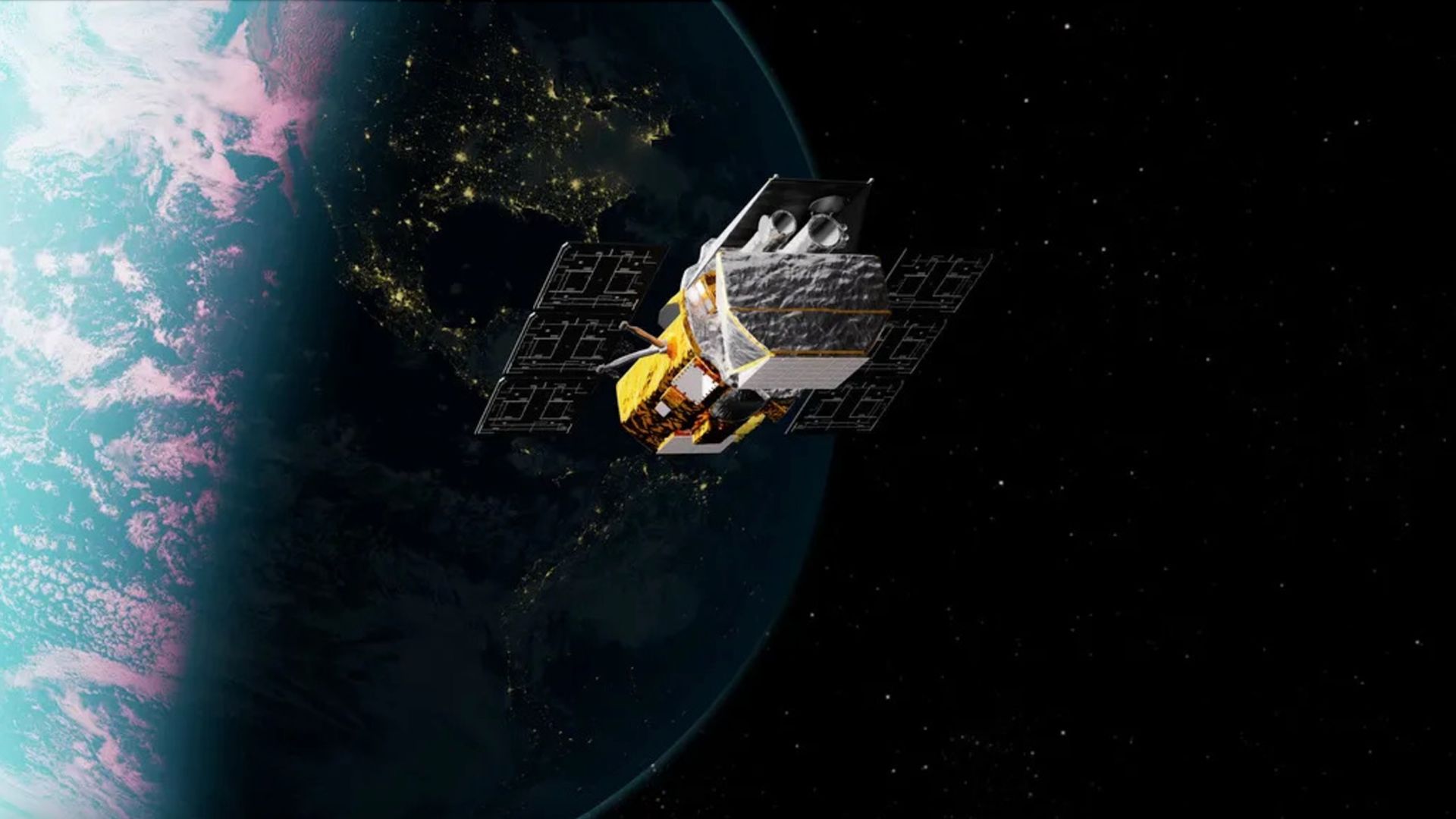
I keep coming back to the image of a satellite that has spent twenty years catching the most violent flashes in the universe, and now it's just going to fall because gravity finally wins. There's something poetic about that. Swift has watched stars die and black holes wake up, and now its own end is a slow, predictable tumble through the atmosphere, with scientists refreshing orbital trackers like the rest of us refreshing weather apps.
The uncontrolled part is what gets me. We can send spacecraft to Jupiter and land rovers on Mars, but we still can't guarantee where a two-ton telescope will land when its fuel runs out. That's the honest physics of a dead machine. The odds of it hitting anyone are tiny, but they aren't zero, and that sliver of uncertainty is exactly the kind of thing that makes space feel real rather than cinematic.
I'd want to know what the final tracking estimates look like in the last hours, and whether any of Swift's last data transmissions carried anything surprising. Mostly I just hope the thing gets a decent obituary. It earned one.