Remembering the ‘Visionary’ Author of Pennsylvania’s Environmental Rights Amendment
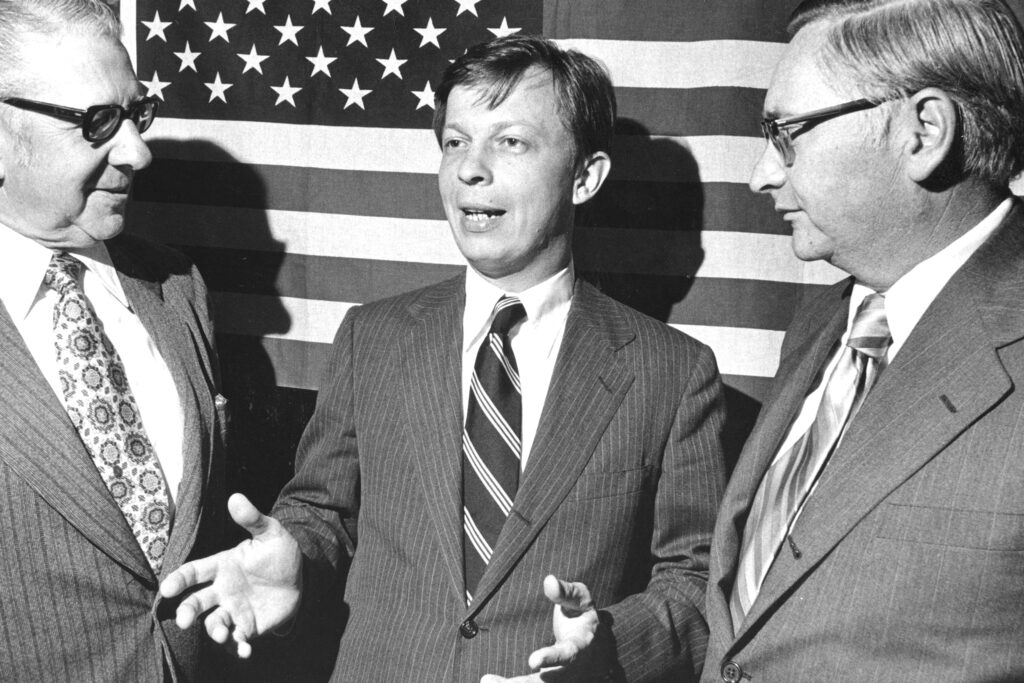
Franklin Kury’s death is more than a moment of remembrance—it’s a stark reminder of how far we’ve drifted from the bold, rights-based approach he championed. In 1971, Pennsylvania adopted an amendment to its constitution stating that the people have a right to clean air, pure water, and the preservation of the natural, scenic, historic, and esthetic values of the environment. Kury, then a state representative, didn’t just draft legalese; he embedded a moral imperative into governance. That amendment has since been used in court battles to challenge fossil fuel projects, proving its enduring power. But it also stands as a rebuke to a modern political landscape where environmental protections are often sacrificed for short-term economic gains.
Kury’s vision was radical because it redefined environmental protection as a fundamental civil right, not a discretionary policy. This framing is exactly what we need to revive today. As climate impacts intensify—from floods to heatwaves—the argument that a stable climate is a human right is gaining traction in courts worldwide. Pennsylvania’s amendment is a template, but it remains a lonely lighthouse. Most jurisdictions still treat environmental harm as a matter of tort or regulation, not a violation of basic rights. Kury’s work challenges us to think bigger: What if every citizen had a constitutional claim against a polluting industry? That would shift the burden of proof and force exponential change.
The article from Inside Climate News quotes Delaware officials calling Kury a “true icon.” That title is earned, but it also underscores a generational gap. The environmental movement of the 1970s had a clarity of purpose that today’s fragmented climate politics often lacks. Kury’s approach was bipartisan and rooted in a simple premise: we have a duty to future generations. In an era of climate denial and rollback, we need more Frank Kurys—leaders who see environmental protection not as a trade-off but as a foundational right. His passing should galvanize us to not only defend existing protections but to expand them, making the right to a healthy environment universal.