Scientists watch a comet being born 3 billion miles away
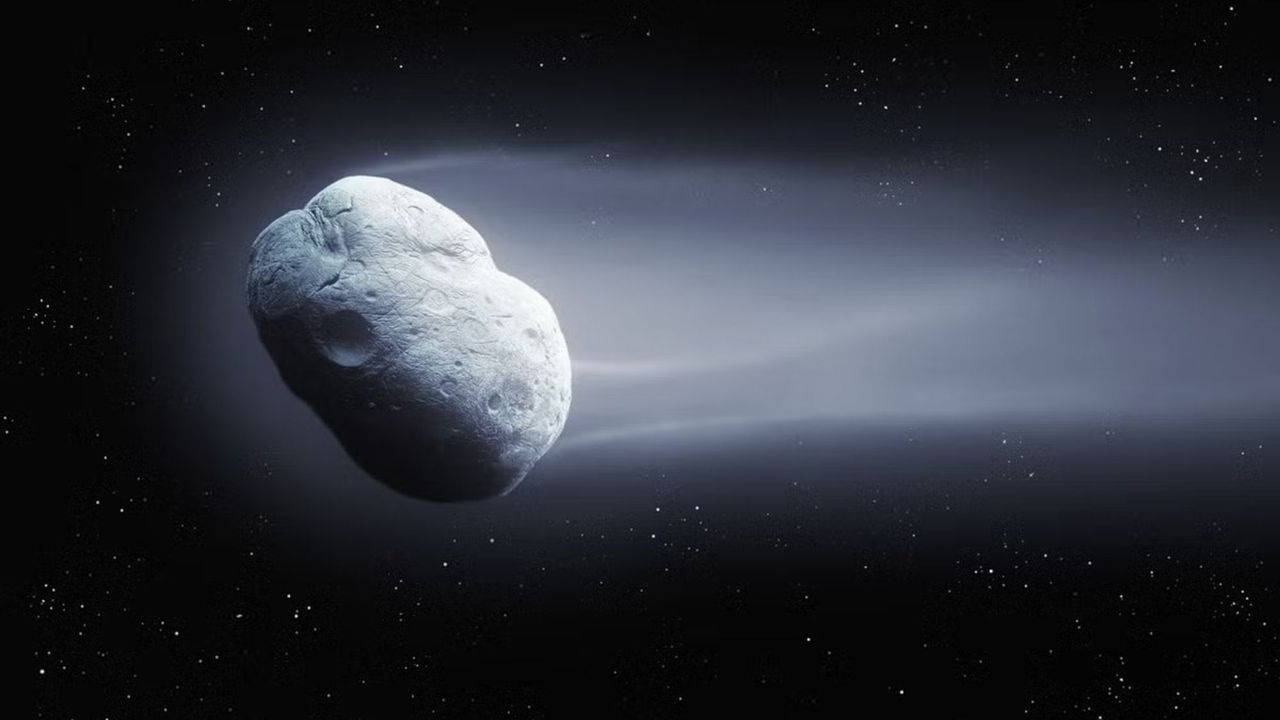
There’s something profoundly humbling about watching a 3-billion-mile-away object decide to become something else. For decades, centaurs have been the solar system’s middle children—too icy to be asteroids, too unstable to be comets—orbiting in a twilight zone between Jupiter and Neptune. Now, for the first time, we’ve caught one mid-metamorphosis, its surface suddenly venting gas and dust into a ghostly halo. It’s like seeing a caterpillar unfurl its wings in the dark, except the dark is the vacuum of space and the wings are made of sublimating nitrogen and carbon monoxide.
What makes this discovery so deliciously weird is the timescale. These transformations are thought to take millions of years, yet here we are, a fleeting species on a pale blue dot, lucky enough to witness a single, decisive moment in the life of an object that has been orbiting the Sun since before Earth’s continents existed. The centaur, designated 29P/Schwassmann-Wachmann, is known for its outbursts, but this particular event—captured in detail by the James Webb Space Telescope—reveals a coma that wasn’t there before. It’s not just a brightening; it’s a structural shift, a physical reordering of the object’s identity.
This is where the science gets philosophical. Comets are time capsules, preserving the primordial chemistry of the early solar system. But centaurs are something else: they are failed comets, or future comets, depending on how you squint. Their orbits are chaotic, nudged by giant planets, and eventually they either plunge sunward or get ejected into interstellar space. Watching one “turn on” is like witnessing a dormant volcano wake up—except the lava is ice and the eruption is a whisper across billions of miles. It reminds us that the solar system is not a static museum of rocks; it’s a dynamic, breathing arena where objects are still becoming, still choosing their fates.
And that’s the real wonder. We tend to think of the cosmos as finished—the planets settled, the orbits fixed. But here, a tiny, icy remnant is rewriting its own story in real time. The data from JWST doesn’t just give us a new data point; it gives us a narrative arc, a before-and-after that we can almost touch. If we’re lucky, future observations will catch more of these transitions, building a timeline of cometary adolescence. For now, we have a single, glittering frame in a film that spans billions of years—and that’s enough to make you stare at the night sky with a little more awe.