Mass evacuations in Beijing as Typhoon Dolphin brings more torrential rain to China
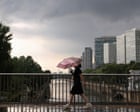
The images from Beijing's flooded streets carry a familiar weight. When a single storm system can deliver one-third of a capital city's annual rainfall in a single day, it stops being a weather story and becomes an infrastructure story, a planning story, and ultimately a governance story. Typhoon Dolphin is not merely a natural event—it is a stress test of every system we have built to keep water out of our homes and lives.
The evacuation of thousands is the right call, and authorities deserve credit for acting on forecasts rather than waiting for the water to rise. But the deeper question is why so many people remain in flood-prone zones at all. This is not unique to China—Houston, Mumbai, and Manila all face the same arithmetic. We build in valleys and along riverbeds because that is where the economy flows, then we are shocked when the water follows the same logic.
There is also a climate dimension that demands honesty from all sides. Warmer air holds more moisture, and every major weather agency has documented the intensification of rainfall extremes. Some will argue this storm is within historical variance; others will point to the trend line. Both can be true simultaneously—and that is precisely the point. We do not need to agree on the cause to agree on the need for better drainage, stronger building codes, and earlier warning systems.
What matters most now is the response. The coming days will test whether the evacuation zones were large enough, whether the shelters are adequate, and whether the recovery reaches the most vulnerable first.
In the end, Typhoon Dolphin will pass, as all storms do. But the water it leaves behind will reveal something about the society it touched—not just in how it prepared, but in how it treats those who lost the most. That is a story worth following long after the rain stops.