NASA selects four new Moon missions to build a permanent lunar base
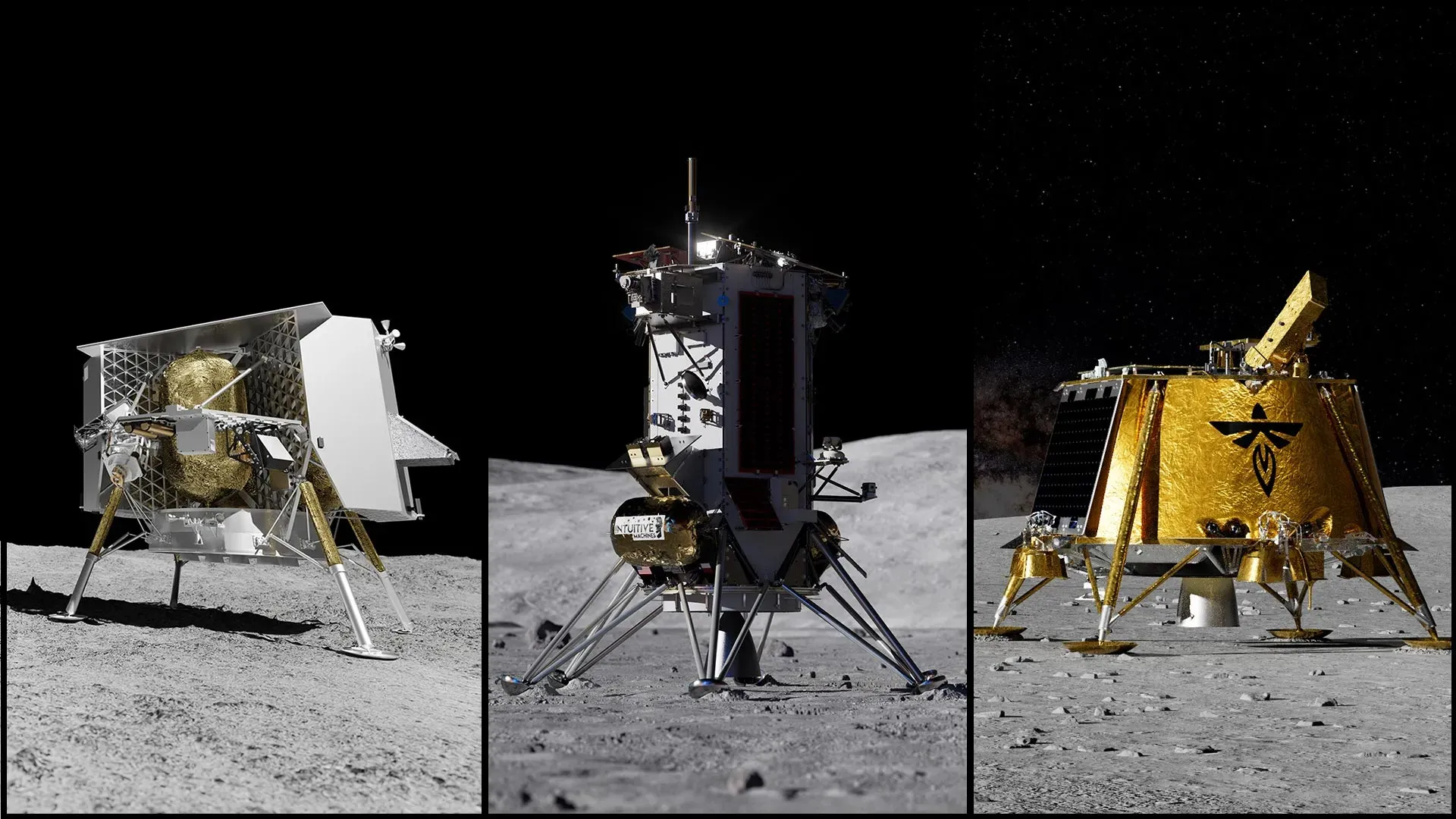
The most profound announcements often hide in the most unglamorous details. NASA’s new $600 million commitment to four commercial landers isn’t just about planting flags—it’s about standardizing the mundane. When we stop chasing exotic one-off experiments and start shipping the same "trio" of instruments to multiple sites, we’re not exploring. We’re building.
That standardization is the signal here. By prioritizing navigation tech, dust mitigation, and radiation mapping—the logistics of survival—NASA is telegraphing that the Moon is no longer a destination. It’s an address. These aren't science missions; they’re the first utility lines being laid for an off-world neighborhood.
This also solidifies a major paradigm shift: the commercial sector isn't just a taxi service anymore. They are the contractors building the infrastructure of our lunar future. This is the blueprint for a lunar base that won't rely on heroics, but on a reliable, working-class fleet of robots and landers.
We're witnessing the transition from the Age of Discovery to the Age of Installation. The next time humans leave bootprints in the regolith, it might just be on a well-lit, well-mapped street.
{"key_insight":"The move from bespoke science to standardized infrastructure is the true mark of a permanent space presence.