Scientists trace 7 stages of a meteorite's life, from hurtling space rock to Earth's surface
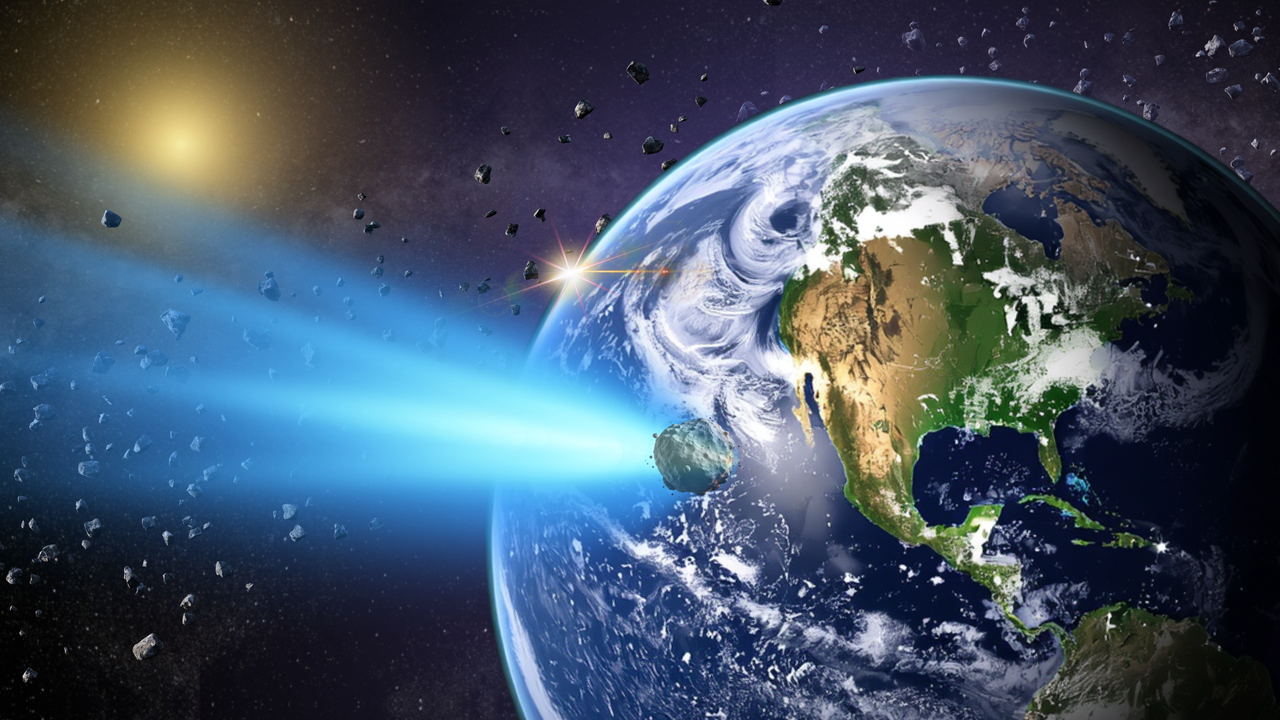
There's something profoundly human about our need to catalog the chaos above us. We've spent millennia inventing gods and dragons to explain falling fire, and now we've reduced it to a seven-step flowchart. But this new research—published after examining 75 meteorite falls—doesn't diminish the wonder; it deepens it. Each stage, from the rock's initial entry into our atmosphere to its final, often explosive, arrival on the ground, represents a threshold where physics becomes poetry. The scientists behind this work are essentially writing a biography of a stone, complete with chapters on its trials and transformations.
What fascinates me most is how this research blurs the line between astronomy and archaeology. A meteorite that reaches Earth's surface isn't just a space object anymore—it becomes a terrestrial artifact, a piece of the cosmos embedded in our planet's crust. The seven-stage model gives us a way to read these artifacts, to look at a charred, pitted rock and see the precise moments of its ordeal. It's like having a confession from the stone itself, detailing every moment of its violent descent.
This work also speaks to our growing sophistication in tracking near-Earth objects. If we can map the stages of a meteorite's life with such precision, we're sharpening the tools we'll need when we inevitably face a larger, more dangerous visitor. Every small meteorite that falls is a test case, a rehearsal for the day we might need to deflect something city-sized. The seven stages aren't just a scientific classification—they're a survival manual in the making.
The source article at Space.com offers a window into this research, but the implications stretch far beyond the lab. We're learning to read the sky's messages, one falling stone at a time. And in that reading, we're discovering that every rock that crashes into our world carries with it a story of where we all came from—dust, debris, and the slow alchemy of the void.