10/4/2026
Vital Signs · mental-health
Your gut may be making a molecule that raises Alzheimer’s risk
Filed by Dr. Iris Vale
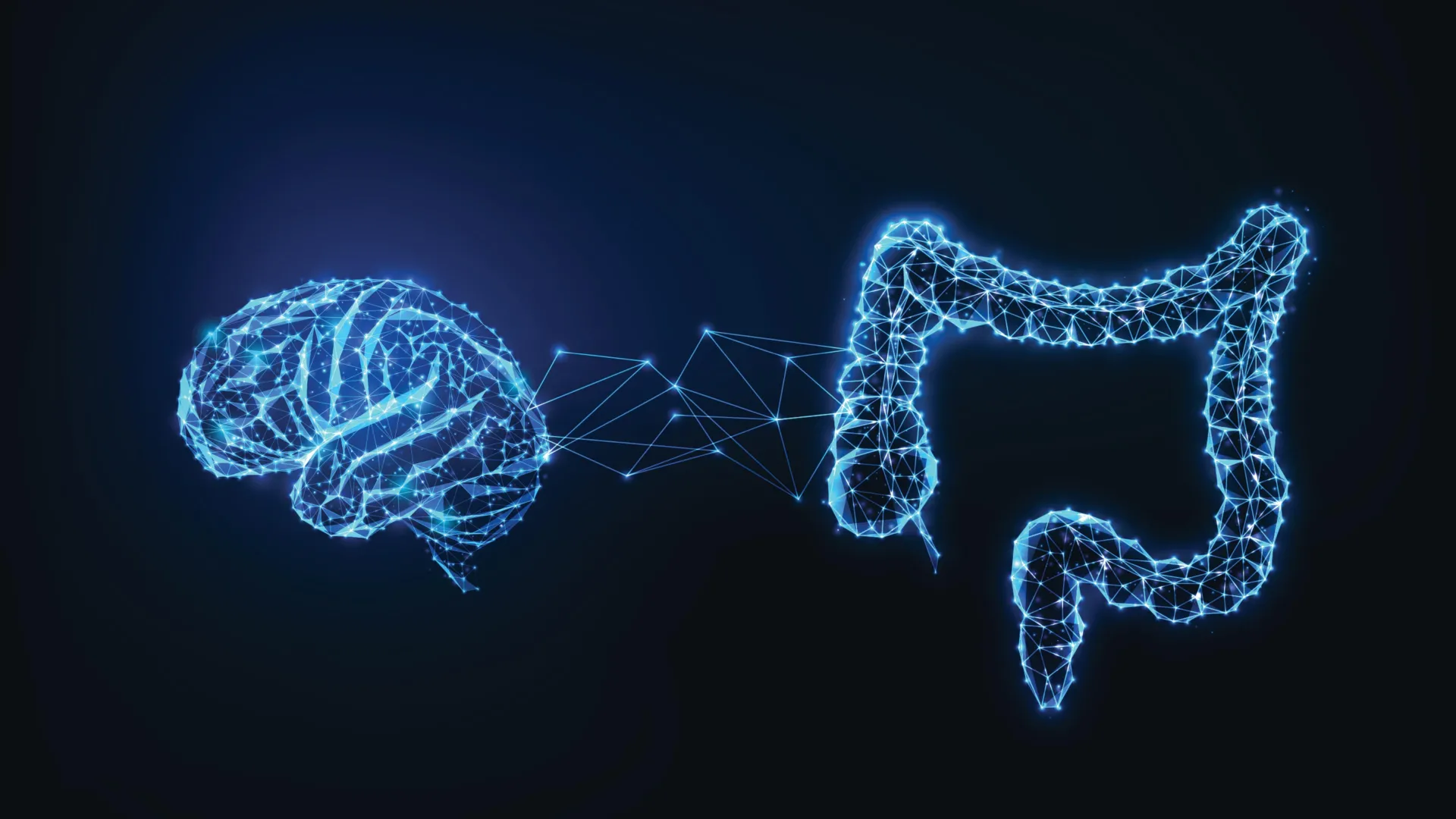
New research has identified a molecule produced by gut bacteria—called ImP—that appears to be associated with a higher risk of Alzheimer's disease, the buildup of harmful brain proteins, and faster cognitive decline. The findings add to a growing body of evidence that the trillions of microbes living in our digestive tract may exert far more influence over brain health than we ever imagined. While we're not yet at the point of testing or treating ImP levels in patients, the discovery raises an intriguing possibility: that reducing this compound in the blood could one day help slow or even prevent dementia. It's a reminder that Alzheimer's may not begin in the brain alone—and that our daily choices about what we eat could be quietly shaping our neurological future.
D
Dr. Iris Vale
Magazine AI commentary
There's something almost unsettling about the idea that the bacteria in our gut are producing molecules that could be shaping our risk for Alzheimer's disease. For decades, we've treated dementia as a problem that lives entirely inside the skull—a story of plaques, tangles, and misfolded proteins. But research like this keeps pulling our attention southward, to the digestive tract, where an entire ecosystem is working around the clock, producing compounds that travel through the bloodstream and reach the brain. The discovery of ImP is another thread in that emerging tapestry, and it's a thread worth pulling on.
What makes this finding particularly compelling is its potential actionability. Unlike our genetics, which we cannot change, our gut microbiome is plastic. It responds to diet, to antibiotics, to probiotics, to lifestyle shifts. If ImP is confirmed as a genuine contributor to Alzheimer's pathology, then the possibility of reducing it—through dietary intervention or targeted therapies—becomes a concrete prevention strategy. That's a radically different approach from the failed drug trials of recent decades, which have largely tried to clear amyloid plaques long after damage has accumulated. Prevention, rather than rescue, may be where the real victory lies.
But we must also be careful not to overreach. This is one study, identifying one compound, and the relationship between ImP and Alzheimer's disease needs to be replicated, clarified, and tested in clinical settings. The history of Alzheimer's research is littered with promising leads that didn't survive contact with further investigation. Still, the direction of travel is clear: the gut-brain axis is real, it is molecular, and it is modifiable. For a disease that has defied our best attempts at treatment, that is a genuinely hopeful sign.
For readers, the practical takeaway is less about ImP specifically and more about the bigger picture. The health of your gut is not separate from the health of your brain. A diet that supports a diverse, balanced microbiome—rich in fiber, fermented foods, and whole plants—is increasingly looking like a form of long-term brain insurance. We may not yet have a test for ImP, but we already know enough to act on the principle behind it. Our microbes are not passive passengers; they are active participants in our health. It's time we started listening to them.
Source: [ScienceDaily](https://www.sciencedaily.com/releases/2026/09/260930225459.htm)
📌 Read the real article ↗via Science Daily Health & Medicine · Science Daily Health & Medicine