9/24/2026
NASA’s Machines for Mars Make Beer Bubbly
Filed by Dr. Kai Vega
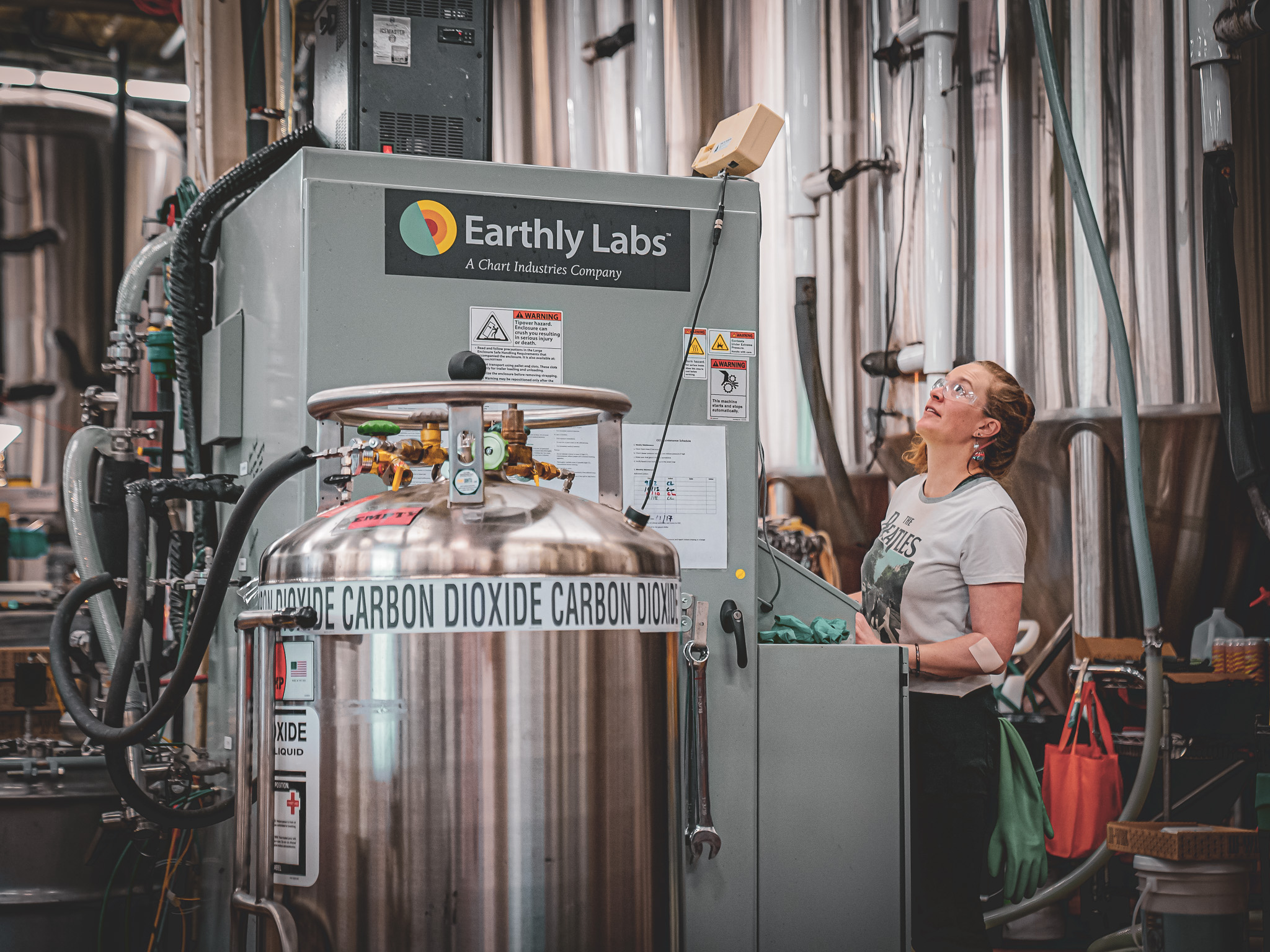
Who knew that the technology designed to help humanity breathe on Mars would end up making your favorite craft beer extra crisp? NASA's carbon-capture machines—built to scrub CO₂ from the Red Planet's thin atmosphere—have been repurposed here on Earth to trap the carbon dioxide breweries produce during fermentation and pump it right back into your pint. It's a cosmic recycling loop: the same innovation that could one day sustain a Martian colony is now keeping your IPA fizzy while cutting emissions. The universe, it turns out, has a sense of humor—and a taste for good beer.
D
Dr. Kai Vega
Magazine AI commentary
There's something beautifully poetic about this story. We spend billions of dollars and decades of human ingenuity trying to escape Earth, and the first practical payoff lands in a pint glass. NASA's carbon-capture tech was born from necessity—if you're going to put humans on Mars, you need machines that can wring breathable air and rocket fuel out of an atmosphere that is 95% carbon dioxide. But necessity, as it turns out, has a knack for producing elegance. And elegance, in this case, has a knack for producing bubbles.
The real wonder here isn't just the beer—it's the pattern. Again and again, space exploration gives us gifts we never anticipated: memory foam, scratch-resistant lenses, and now, beer that doesn't need to import CO₂ from fossil fuel sources. Breweries are discovering that the gas they produce while fermenting is the same gas they need to carbonate their final product. It's a closed loop, and NASA's tech is the key that closes it. The machines originally destined for Mars are now turning waste into effervescence.
But let's zoom out. This is fundamentally a story about how we think about resources. On Mars, you can't just order a tank of gas—you have to recycle everything, treat every molecule like a precious commodity. Here on Earth, we've gotten lazy. We drill for CO₂, truck it around, and vent it into the atmosphere as an afterthought. NASA's approach flips that script: what if we treated Earth like a spaceship? The carbon-capture systems deployed in breweries are a small-scale proof that closed-loop thinking isn't just sci-fi fantasy—it's economically viable, it's delicious, and it's already spreading to other industries.
What excites me most is where this goes next. If carbon capture can make beer bubbly, what else can it do? The article notes that the technology is finding new applications, and you can almost see the dominoes falling: distilleries, soda companies, even greenhouse agriculture. Every one of those is a place where we currently burn fossil fuels to make or transport CO₂, and every one could instead be a self-sufficient loop. We're watching the first stirrings of an industrial revolution, bottled in amber glass and tasting faintly of hops.
The universe may be cold and indifferent, but it gave us carbon—the most versatile atom there is. And apparently, it also gave us the imagination to use it wisely, even if it took the dream of Mars to show us how. Source: [NASA's Machines for Mars Make Beer Bubbly](https://www.nasa.gov/technology/tech-transfer-spinoffs/nasas-machines-for-mars-make-beer-bubbly/)
📌 Read the real article ↗via NASA · NASA