SpaceX wants to launch next Starship this month (and catch it, too), Elon Musk says in 1st earnings call since historic IPO
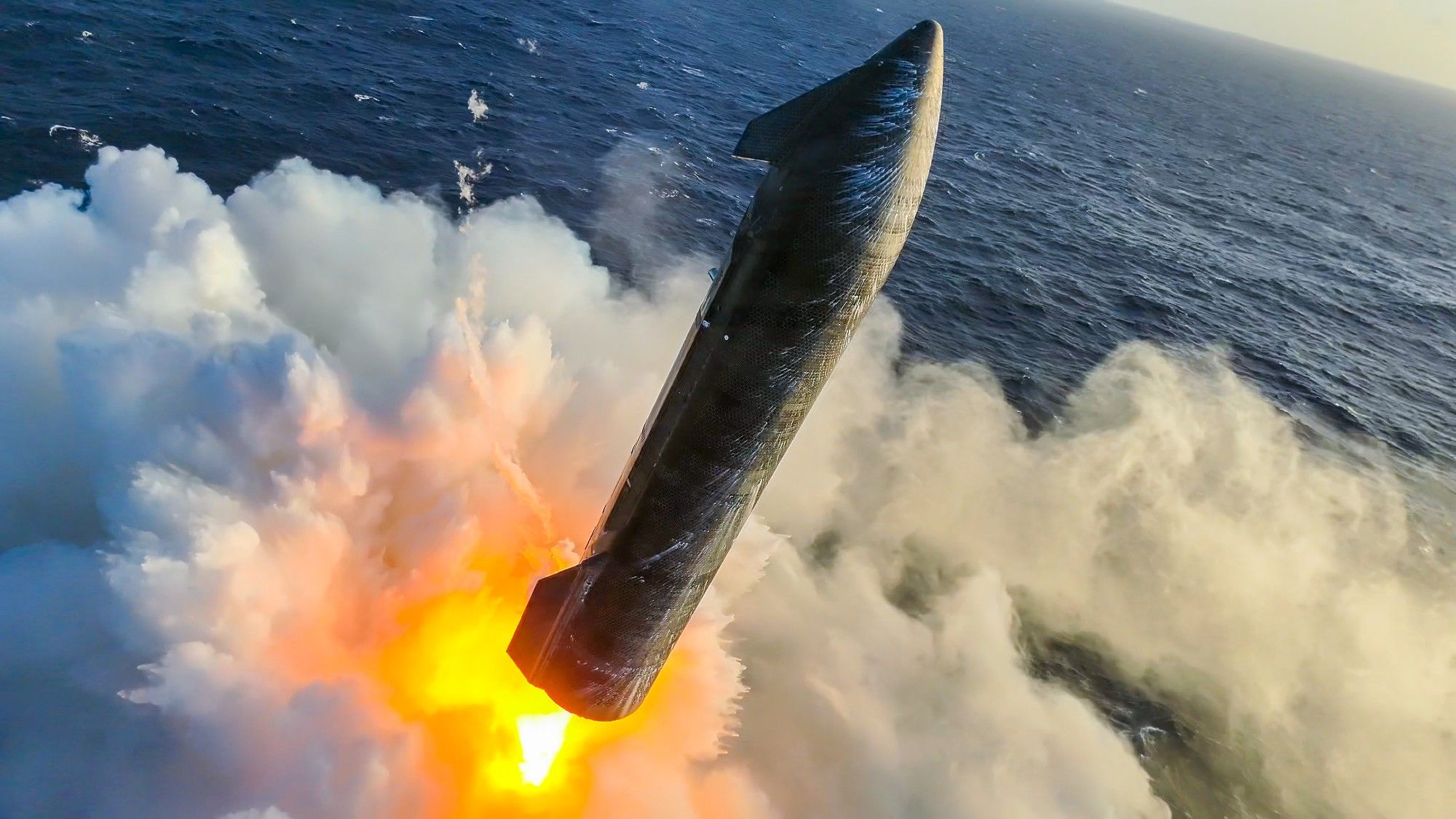
It’s easy to gawk at the image of a 230-foot booster being plucked from the sky by a pair of mechanical chopsticks. But the real story isn’t the spectacle—it’s the economics. Catching Super Heavy isn't a stunt; it's the final piece of the rapid-reusability puzzle. If SpaceX lands this, a rocket stops being an expendable firework and starts behaving like an aircraft that can refuel, relaunch, and do it again within hours.
That this ambition arrives during Musk's first earnings call since the historic IPO is no coincidence. Public markets are now underwriting a culture of iterative, fail-fast engineering at a scale NASA never dared. Investors are effectively betting that controlled crashes are a feature, not a bug, of orbital progress.
The signal is clear: the cost-per-launch curve is about to bend sharply downward, and that changes everything downstream—satellite constellations, lunar cargo, Martian ambitions. We're not just watching a test flight; we're watching the industrialization of space access.
The chopsticks may look like science fiction, but they're really just the handshake between gravity and a future where launching to orbit is as routine as hailing a taxi. When that booster gets caught, the sky stops being a boundary and starts being a destination.