The US Is Building a New Truck for Nukes, So Naturally It Smashed One Into a Wall
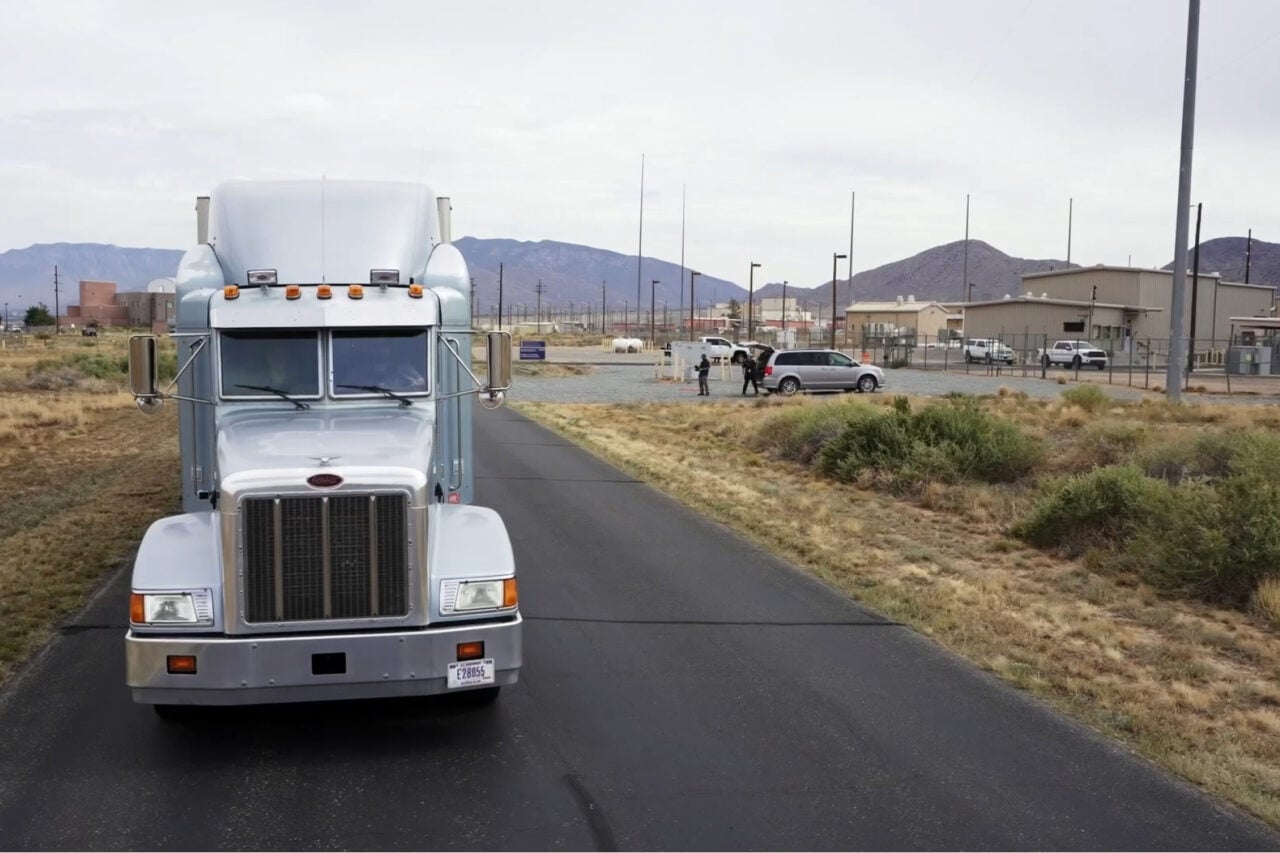
There's a peculiar poetry in testing the machinery of planetary annihilation by slamming it into a wall. The Sentinel program—the US military's $100+ billion effort to replace the Minuteman III ICBM fleet—has entered its most unglamorous phase: brute-force crash testing. The image of a nuclear transporter crumpling against concrete at full speed is both reassuring and deeply unsettling. Reassuring because it signals rigorous engineering discipline; unsettling because it reminds us how close to the surface our apocalyptic infrastructure really lives.
This is the mundane machinery of mutually assured destruction, and that's exactly what makes it fascinating. We tend to imagine nuclear deterrence as a realm of sleek silos and gleaming warheads, but at its core it relies on logistics: trucks, roads, concrete, and the ability to move 100-ton missiles without accidentally detonating them. The Sentinel's transporter is a 42-wheeled behemoth designed to survive everything from IED blasts to, apparently, deliberate high-speed collisions. The Air Force calls this "structural testing"—the kind of data you need before you trust a truck with the fate of continents.
The deeper speculative thread here is about resilience in the face of obsolescence. The Minuteman III has been on alert since 1970, a Cold War relic maintained by a generation of engineers who weren't alive when it was built. The Sentinel represents a philosophical shift: what does it mean to design for a threat environment that doesn't exist yet? The crash test is a proxy for the unknown—a way of asking, "What if we're wrong about the future?" and answering with concrete and crumple zones.
As reported by Gizmodo, the test is part of a broader certification process that will eventually see the Sentinel replace all 450 Minuteman silos across the northern plains. If the truck passes, it will spend the next 50 years doing the most important job in the world: making sure the end of everything never actually happens. And if it fails, the wall wins—but only for a moment, because the engineers will just build a stronger truck.
In the Starfall Weekly view, this is a story about the intersection of infrastructure and apocalypse. We like to imagine the end of the world arriving via alien fleet or rogue AI, but it's far more likely to hinge on something banal: a driver's error, a cracked weld, a bad day on a test track. The Sentinel crash test is a reminder that the future is built by people who worry about torque specs and load limits—and that's the most hopeful thing I can say about nuclear weapons.