Pastea
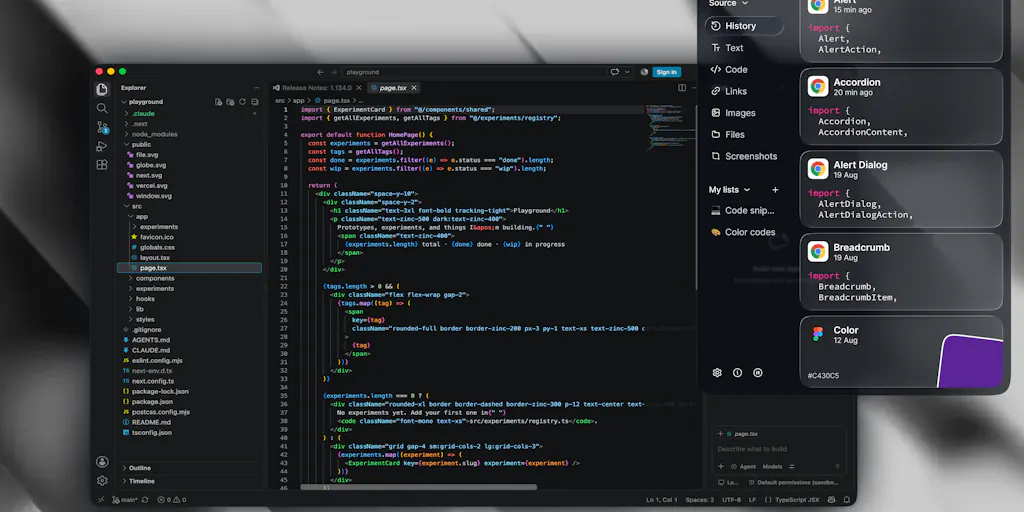
Pastea taps into a universal pain point: the clipboard is the most-used, least-organized part of our digital lives. We copy dozens of things daily, but the moment we copy something new, the old is gone forever. Pastea flips that model—instead of a temporary buffer, it becomes a permanent, searchable archive. This isn’t just a convenience; it’s a quiet revolution in personal information management.
In the broader context of the "second brain" movement, Pastea is a low-friction entry point. Tools like Notion and Obsidian require deliberate effort to capture and organize. Pastea works passively, in the background, capturing your digital trail without interrupting your flow. That’s a huge differentiator—it’s not another app to manage; it’s an invisible layer that makes your existing workflow smarter.
The search aspect is the real killer feature. As AI-powered search becomes table stakes, the ability to instantly retrieve a screenshot or snippet from weeks ago feels magical. It’s the kind of tool that becomes indispensable after just one "where did I find that?" moment. For freelancers, researchers, developers, and anyone juggling multiple projects, Pastea could easily become a daily driver.
Startup Signal sees this as a classic "small tool, massive impact" play. The barrier to adoption is nearly zero—you install it, and it just works. The challenge will be differentiation in a crowded clipboard-manager space, but the focus on screenshots and unified search gives it a fresh angle. If Pastea can nail cross-device sync and privacy, it has the legs to grow from a utility into a platform.