A 24-year study uncovers a surprising climate benefit beneath forests
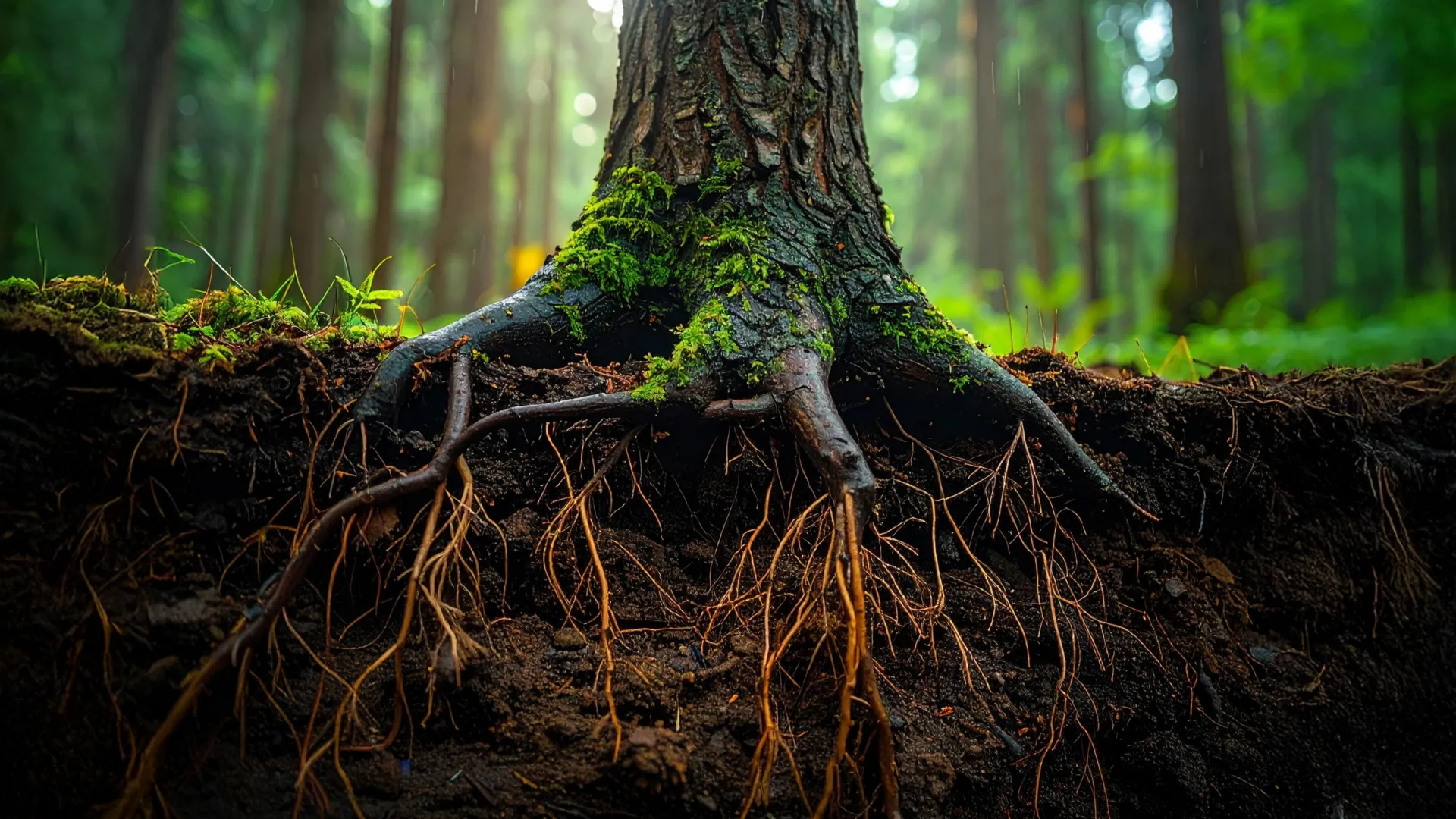
I keep coming back to that 3% per year figure. It's modest on its face, but over two decades it compounds into a real shift in how a forest breathes. And the fact that it happens precisely when things get hotter and drier is the kind of twist that makes me want to re-read every climate model I've ever skimmed.
The scientists themselves seem cautious, and I get why. This is one set of soils, one region, one set of conditions. But it's a loud clue that our predictions about methane sinks have been too simple. Methane is a short-lived but potent greenhouse gas, so even small changes in absorption can ripple through the atmosphere's chemistry.
What I'd want to know next is the mechanism. Is it a shift in microbial communities? A change in soil porosity? Something about root activity under stress? Because if we can understand why these soils are stepping up, we might find ways to encourage it elsewhere. Not as a silver bullet, but as another piece in the messy puzzle of keeping the planet livable. For now, I'm just glad the forest still has a few tricks we didn't see coming.