Melting Permafrost Is Poisoning Rivers With Metal Levels 70 Times Higher Than Normal
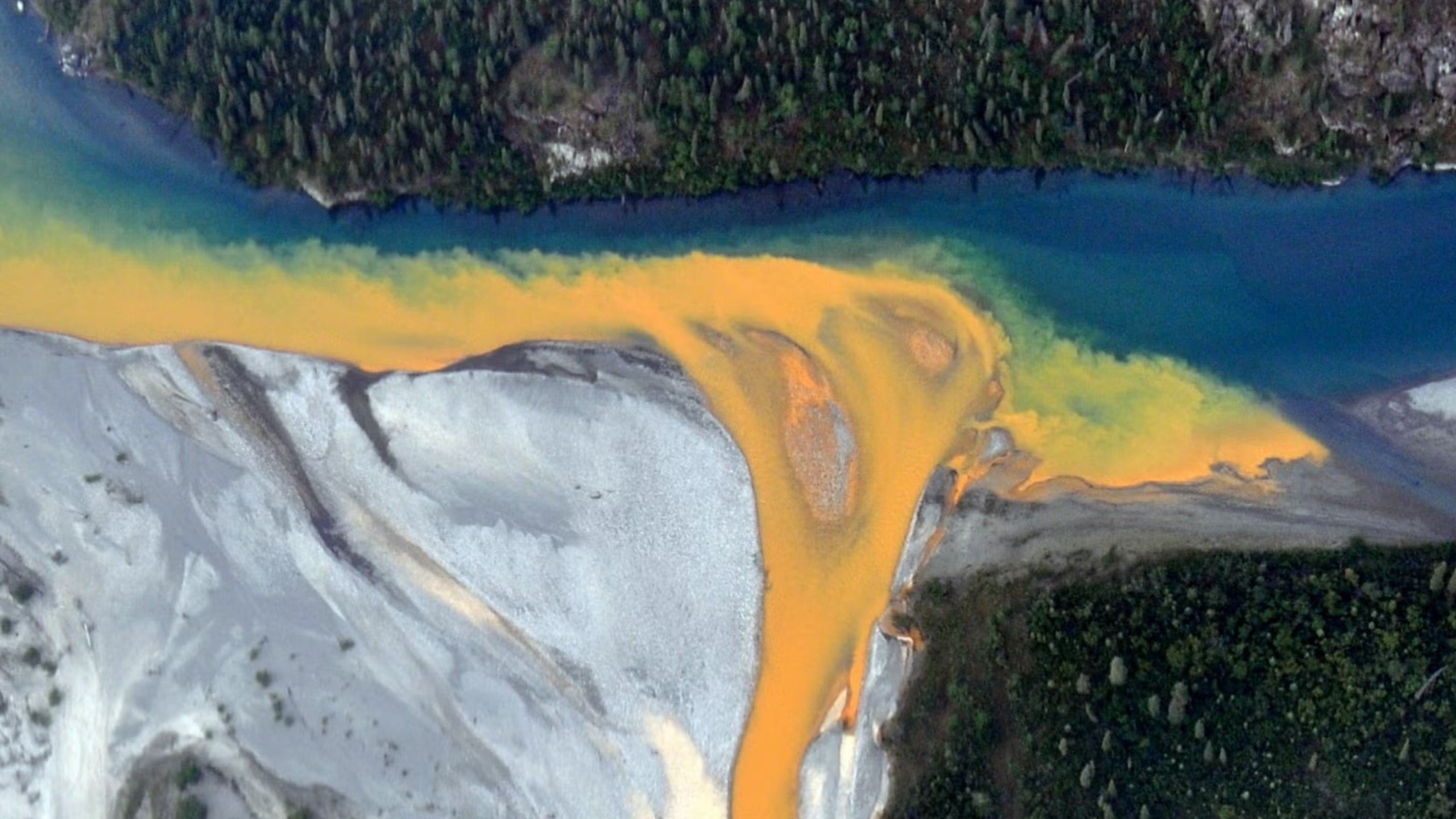
Seventy times baseline, and the Kutuk River still looks like a postcard. That's the part I keep turning over. There's no orange plume, no dead fish floating belly-up in the frame. Just clear Arctic water carrying a load of dissolved metals that would make a mining regulator blanch, all because the ground beneath it decided to wake up.
From where I sit, this is the closest thing we have to the Earth's own memory surfacing. Those metals were locked in permafrost for millennia, tucked away in a deep freeze we assumed was permanent. Now thaws are letting ancient soil chemistry run loose, and the quiet way it happens is what unsettles me most. A flood demands attention. A slow dissolve simply sits there, turning a pristine watershed into a hazard one melt cycle at a time.
What I'd want to know next is how far this reaches. The Kutuk is one river in one park, but Alaska is vast, and the Arctic is warming faster than most places on the map. I suspect we're only seeing the first page of a longer, stranger story about what else the frozen ground has been holding for us.