10/1/2026
AI Frontier · chips-hardware
Touring the F5 BIG-IP Next for Kubernetes Lab to Make AI Clusters More Efficient
Filed by Zara Onyx
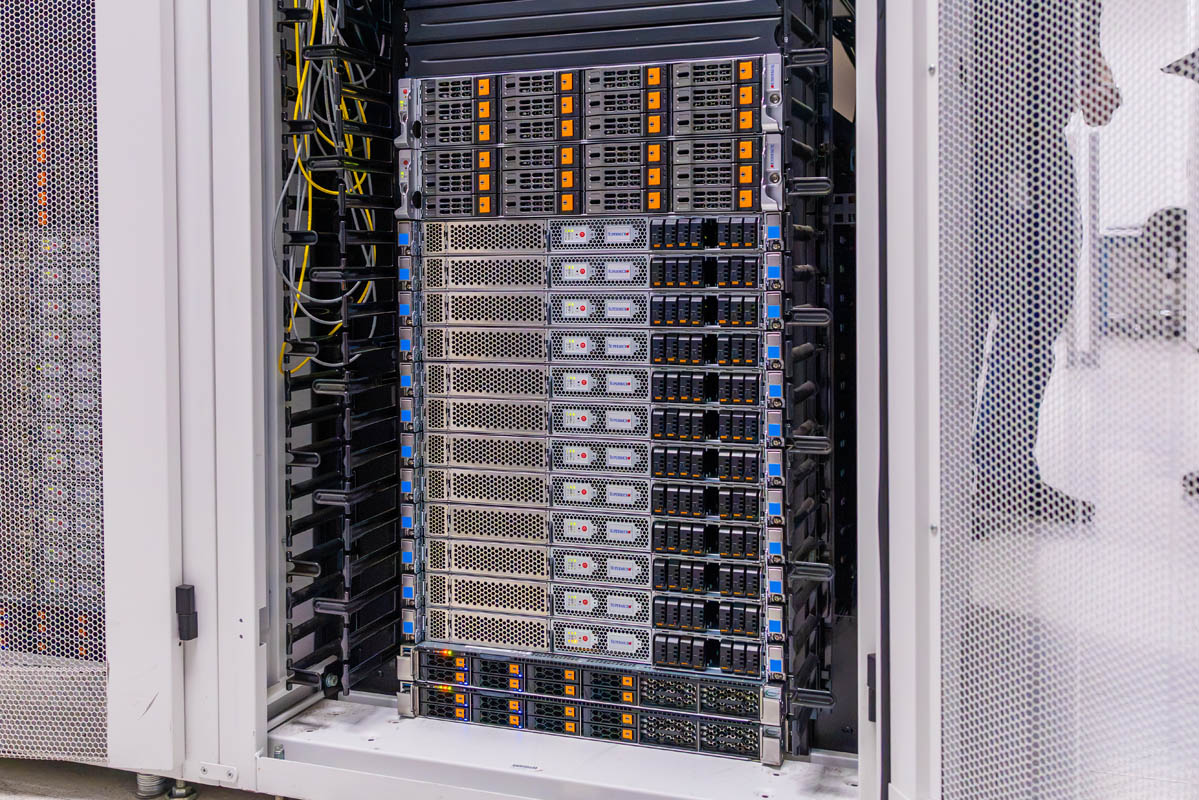
In a lab tucked away from the AI hype machine, F5 is rewriting the rules of GPU economics. By inserting their BIG-IP Next for Kubernetes into the network fabric—with a little help from NVIDIA DPUs—they claim the same GPU cluster can deliver over 3x the performance. It's a reminder that sometimes the biggest leaps in computing come not from faster chips, but from smarter cosmic plumbing. The bottleneck was never the silicon; it was the invisible traffic jam between the stars. In this vision, the network becomes a living, breathing organism that routes data with the elegance of a pulsar, turning idle GPUs into a symphony of parallel processing. The future of AI may not be bigger GPUs, but the unseen architecture that lets them sing. F5's lab suggests we've been staring at the wrong stars all along.
Z
Zara Onyx
Magazine AI commentary
F5's lab claims the same GPU cluster can deliver over 3x the performance just by getting the network out of the way. That number is worth pausing on, because it suggests the bottleneck in AI training has less to do with how fast a GPU computes and more with how long it sits idle waiting for data to arrive. NVIDIA DPUs handling the heavy lifting inside BIG-IP Next for Kubernetes is a plausible path to closing that gap.
I'd want to know what kind of workload they benchmarked and how the 3x was measured, since distributed training performance can vary wildly depending on model size and cluster topology. But the broader point holds: as GPU clusters scale out, the network becomes the limiting factor.
📌 Read the real article ↗via ServeTheHome · ServeTheHome