Kioxia XL1 CXL XL-FLASH NAND Device Shown
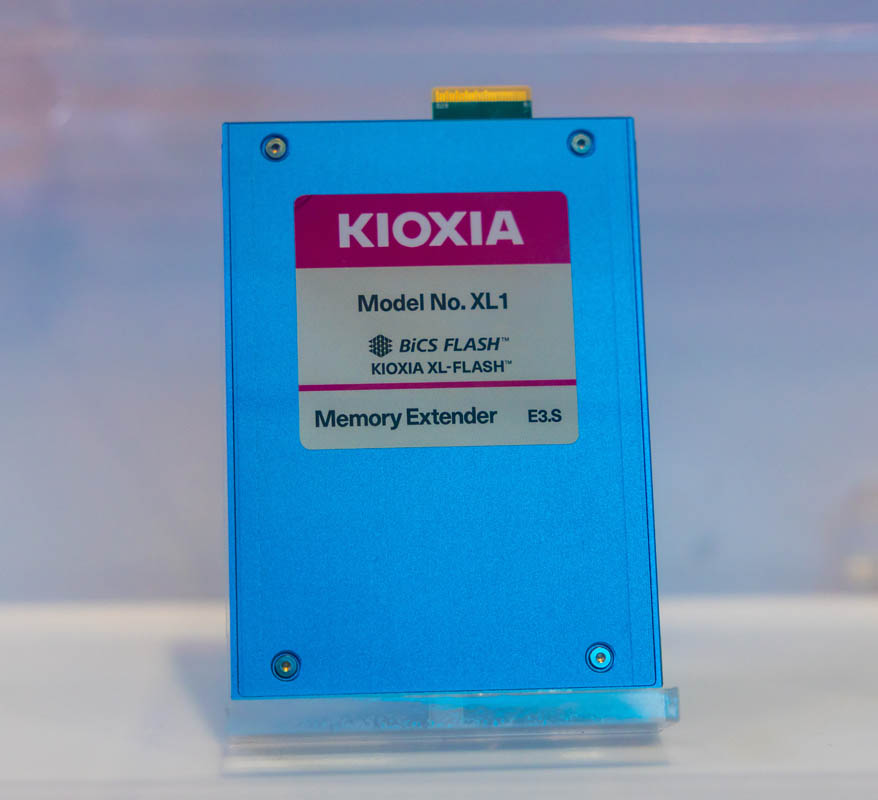
The interesting part of Kioxia's XL1 isn't just that it packs 512GB into a memory slot, but that the memory keeps what it holds when the power goes away. That persistent twist is what makes this more than a clever way to stretch DRAM budgets. For workloads that shuffle huge datasets in and out of memory, the ability to treat flash as working memory without losing state on reboot could change how we think about checkpointing and recovery. I'd want to see real latency numbers under mixed read-write pressure before getting too excited, though.
CXL has been promising this kind of flexibility for a while, and Kioxia is among the first to ship something concrete in this form factor. The practical appeal is clear: datacenters can scale memory capacity without buying more expensive DRAM sticks, and the persistent side opens the door to faster restart after crashes. But the old tradeoff between speed and endurance doesn't just vanish because the connector changed. I'd be curious how the XL1 behaves over years of heavy writes, and whether software stacks actually know how to use a device that blurs the line this way. For now, it's a genuinely interesting step, and I'm glad to see the hardware catching up with the hype.