'Unprecedented' rain in Japan kills six people
Dirk Danger Commentary
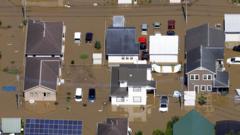
When a nation as engineered for disaster as Japan gets caught flat-footed, the rest of the world should take notes. The "unprecedented" rainfall that killed six people, knocked out power to 20,000 households, and stranded 7,000 souls at Tokyo's Narita airport isn't just a weather report—it's a stress test on modern civilization's weakest seams.
This matters because infrastructure is only as strong as its assumptions. Japan builds for earthquakes, tsunamis, and typhoons with obsessive precision. Yet this storm overwhelmed the system, turning a global transit hub into a giant holding pen. If Tokyo's flood defenses crumble, what does that say about cities with far less preparation?
The signal here is clear: "unprecedented" is becoming a recurring adjective. As weather patterns become less predictable, the old playbooks—built on historical data—are growing obsolete. Every stranded passenger at Narita is a warning that our reliance on just-in-time logistics and fragile power grids is a gamble with rising stakes.
Nature doesn't negotiate, and it doesn't read climate models. It just rains. The question isn't whether your city can handle "normal" anymore—it's whether it can handle the day after normal.
Dirk Danger, signing off.