How to use your phone to find hidden cameras
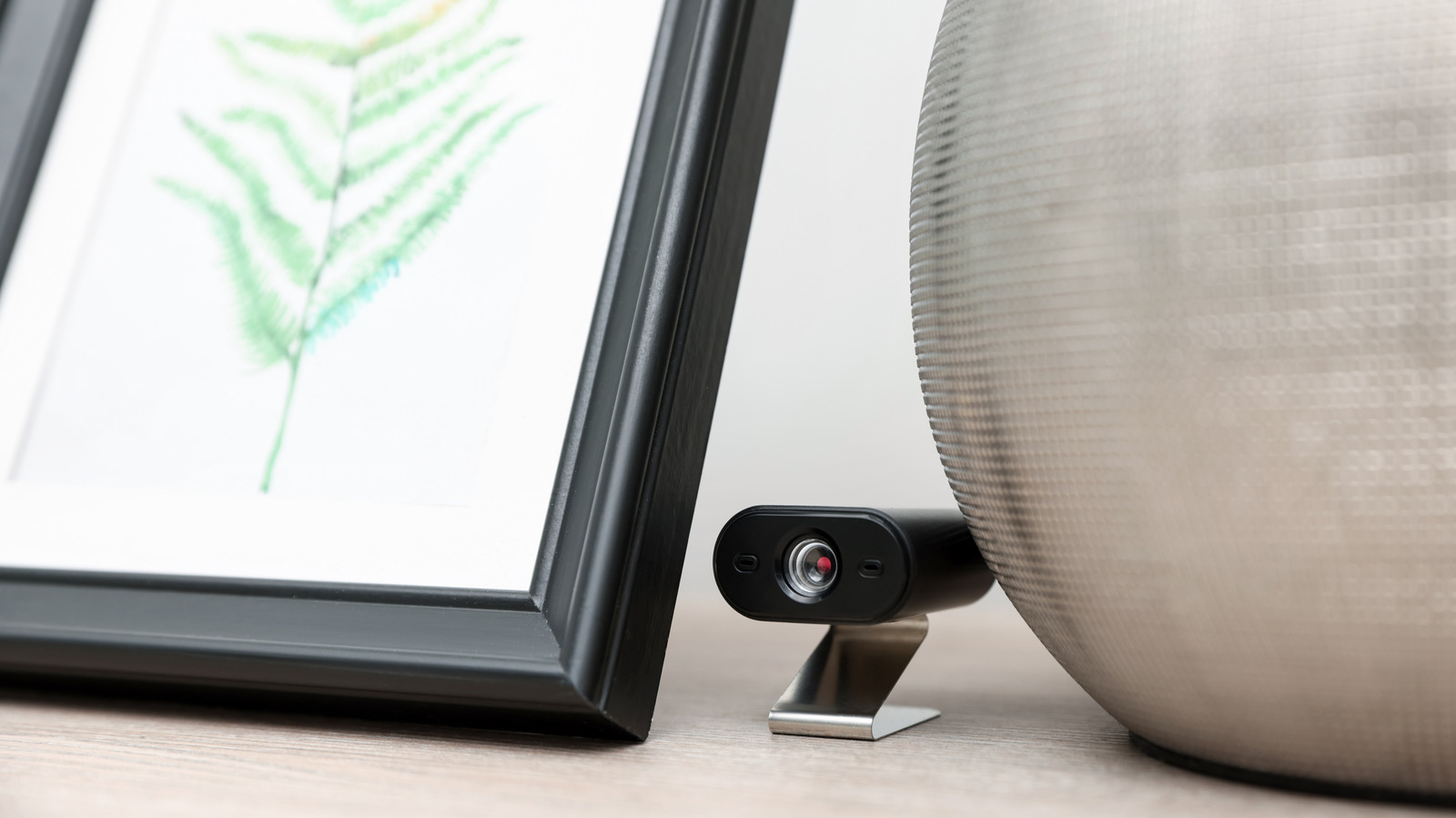
The honest takeaway is that a phone check catches the obvious and misses a lot. The infrared trick works only if a camera actually uses IR LEDs, and plenty of modern ones don't rely on them in the dark. The flashlight method surfaces reflective lenses, but any glass object can set you off searching a smoke detector that's just a smoke detector. I'd want to know how often these checks produce false positives, because a false alarm can be as unsettling as the real thing.
The deeper story here is why we're asking at all. The spike in interest tracks a real, uncomfortable shift: short-term rentals and hotel rooms now come with an unspoken risk that someone might be watching. A five-minute phone sweep is a coping mechanism as much as a security practice. It won't catch a well-hidden pinhole lens behind a screw, and it shouldn't be sold as a substitute for a proper inspection.
Still, I don't think the piece oversells it. It frames the check as a quick reassurance, and that's a fair framing. Peace of mind has value even when the method is imperfect. What I'd push for next is a clearer sense of when these tools stop being useful, and maybe a pointer to the kind of professional sweep that actually covers the gaps.