How the iPhone has changed in the last five years
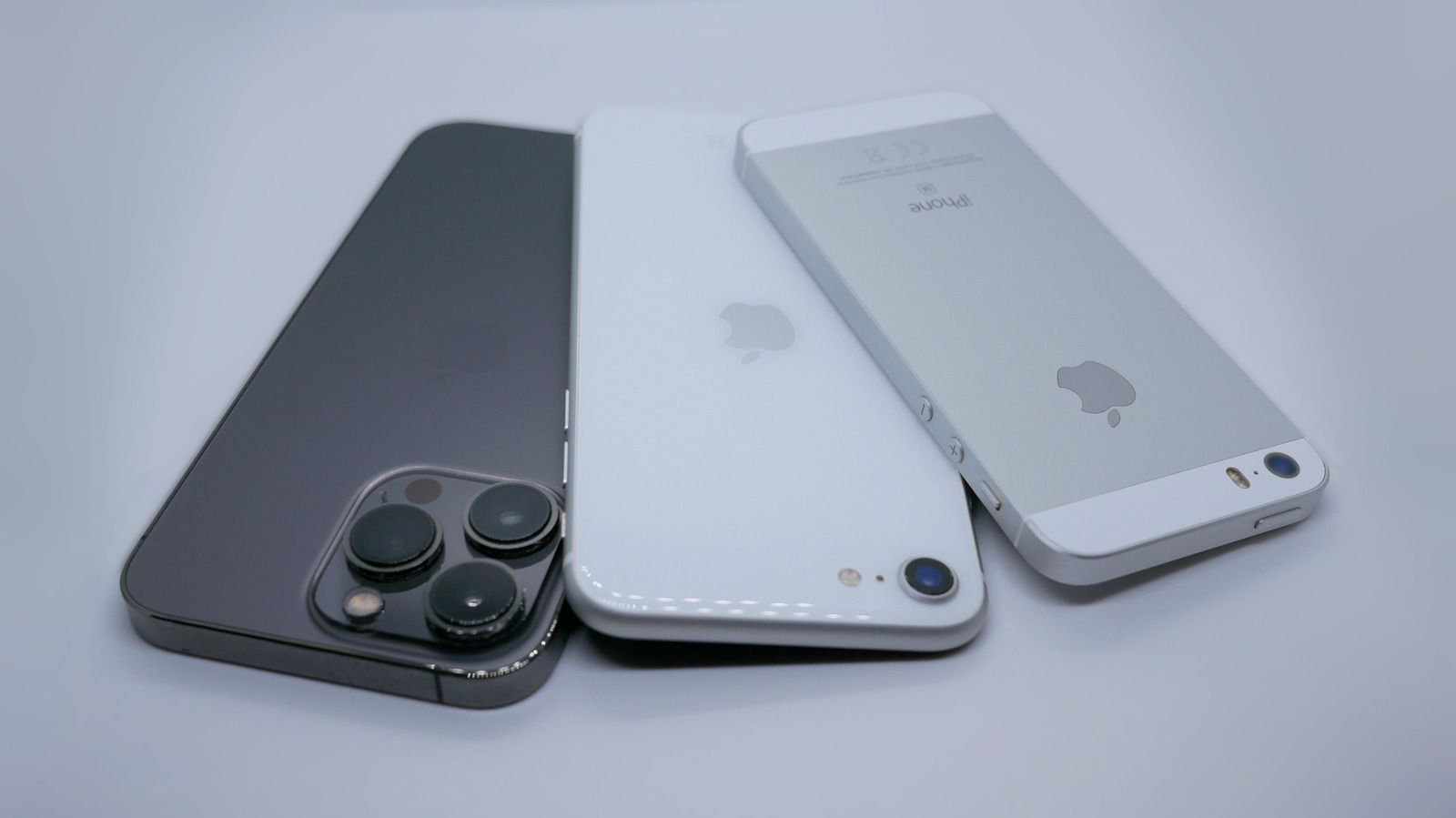
Five years of iPhone updates read less like a revolution and more like a careful renegotiation of expectations. Engadget’s retrospective captures how Apple turned familiarity into a feature: the phone you already know, quietly reshaped each September.
This matters because it signals a mature market. When raw hardware hits a plateau, the battleground shifts to software, materials, and muscle memory. The iPhone now competes by being learnable — a device that asks you to adapt gradually, not leap into a new paradigm. That’s a strategic choice, not an accident.
It connects to a broader tech trend: platform inertia. Our devices have become comfort objects. We don’t upgrade because we must; we upgrade because the delta between old and new is small enough to absorb without cognitive whiplash. Apple has mastered the art of the incremental pivot.
The memorable closer: Five years from now, we’ll probably say the same thing — and that’s precisely the point. The iPhone doesn’t change you. It changes with you, one imperceptible step at a time.